What to Feed Hedgehogs: The Mealworm Danger & Safe Alternatives

The West European Hedgehog (Erinaceus europaeus) is an icon of the British garden. But they are in trouble.
Populations have plummeted by up to 50% in rural areas since 2000. Gardens are now their stronghold, but only if we treat them right.
Sadly, one of the most popular “treats” sold in shops is actually crippling them.
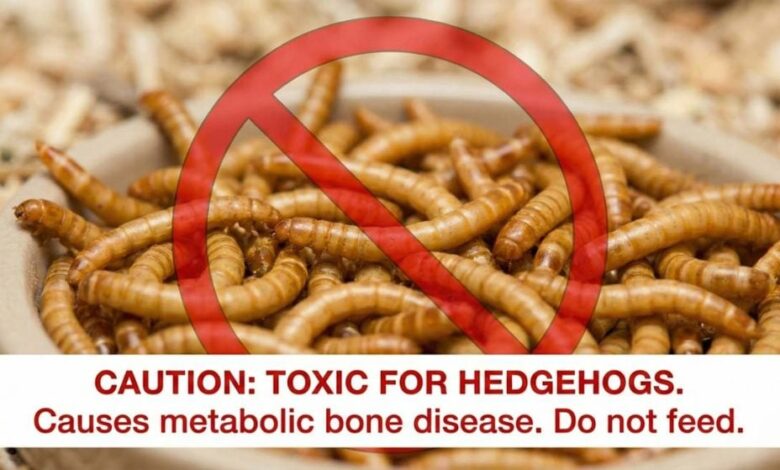
The Mealworm Crisis: Metabolic Bone Disease
For years, we were told mealworms were a great treat. But wildlife hospitals are now dealing with a crisis known as Metabolic Bone Disease (MBD), linked directly to improper feeding.

The Science: Hedgehogs need a balanced Calcium-to-Phosphorus ratio (Ca:P) in their blood (approx 1:1 or 2:1).
- The Imbalance: Mealworms are incredibly high in Phosphorus but very low in Calcium.
- The Mechanism: When a hedgehog eats too many mealworms, the excess phosphorus blocks calcium absorption. Worse, the body tries to balance the blood chemistry by leaching calcium out of the skeleton.
- The Result: The bones become soft and rubbery. The hedgehog becomes “wobbly,” suffers spontaneous fractures in its legs, and eventually cannot walk or eat. It is a painful, fatal condition.
The Fix: Treat mealworms (and sunflower hearts/peanuts, which have a similar profile) as poison for hedgehogs. Do not feed them.
The Ideal Menu: Wet vs. Dry
So, what should you put out? You are aiming to replicate a diet of beetles, worms, and slugs (high protein, moisture-rich).
The Gold Standard: Wet Dog or Cat Food: Meat-based poultry flavours in jelly or gravy are perfect.
- Myth Buster: You may hear that “fish flavour” is bad. This is largely a myth; there is no toxic compound in fish cat food, but some individual hedgehogs find it unpalatable or get an upset tummy. Sticking to chicken or beef is a safer bet for fussy eaters.
Kitten Biscuits: High in protein and small enough for little mouths. The crunch helps keep their teeth clean (dental disease is common in older hogs).
Water: Never milk. Hedgehogs are lactose intolerant. Milk gives them severe diarrhoea, which leads to dehydration and death.

How to Build a Predator-Proof Feeding Station
If you simply put a bowl on the lawn, the local cats or foxes will eat it. Or, if you have them, badgers (the hedgehog’s main predator) will steal the food.
The DIY Brick Tunnel Station:
- Materials: 10-12 bricks, a paving slab.
- The Build: Arrange the bricks to form a tunnel or a small box shape on the patio.
- The Entrance: Leave a gap exactly 13cm (5 inches) wide. This is the “Goldilocks” size—big enough for a gravid (pregnant) female hedgehog, but too small for a badger or fox head.
- The Roof: Place the paving slab on top.
- The Baffle: Place a brick 13cm in front of the entrance. This forces the animal to make a sharp “S” turn to get in. Hedgehogs are bendy; cats have rigid spines and hate tight corners.


The Architecture of Sleep: Why Leaves Beat Straw
If you buy a commercial hedgehog house, the label will often suggest filling it with straw or hay. However, wildlife rescuers strongly advise against this.
Why Straw is Dangerous: Stiff stalks of straw can be sharp. There are frequent cases of hedgehogs suffering from corneal ulcers (eye injuries) caused by poking themselves on brittle straw bedding.
Why Hay is Risky: Long strands of hay can wrap around a hedgehog’s legs, acting like a ligature and cutting off circulation. Furthermore, hay rots very quickly when damp, turning the nest into a cold, wet mush that can cause hypothermia.
The Gold Standard: Broad Leaves: In the wild, hedgehogs are master weavers. They select medium-sized broad leaves (like Oak, Beech, or Hornbeam). They layer these leaves carefully, like tiles on a roof. This structure does two things:
- Waterproofing: The layered leaves shed rain effectively.
- Insulation: The layers trap warm air without absorbing moisture.
- Action: Collect a pile of dry leaves from your lawn and leave them in a dry corner or inside the hedgehog house. It is free, natural, and safer than anything you can buy.

Hibernation: The Weight Debate
Hedgehogs hibernate roughly from November to March. A common question is: “Is this hedgehog fat enough to survive winter?”
The 450g Threshold: Current research suggests that a juvenile hedgehog needs to weigh at least 450g (1lb) to survive hibernation.
- Autumn Action (Oct/Nov): If you see a small hedgehog, weigh it. If it is under 450g, it likely needs rescue (overwintering indoors). Call the British Hedgehog Preservation Society (BHPS) on 01584 890 801.
- Winter Waking: It is normal for hedgehogs to wake up and move nests during mild spells in winter. Seeing a hedgehog at night in January is not automatically a cause for concern unless it looks wobbly or is out during the day. Keep dry food and water available all winter for these arousal periods.
The Golden Rule: Day Activity
Hedgehogs are strictly nocturnal. A hedgehog out during the day is almost always in trouble.
- The Warning Signs: If a hedgehog is out in daylight and is wobbling, staggering, lethargic, or “sunbathing” (lying flat out), it is an emergency. “Sunbathing” is often a sign of hypothermia; the animal is desperately trying to absorb heat.
- Action: Pick it up with gardening gloves, put it in a high-sided box with a hot water bottle wrapped in a towel, and call a rescue centre immediately. Do not wait.
If you want to feed birds that come to your garden too then check out Feeding Garden Birds: A Year-Round Scientific Guide
Source link