New Business
What does HSBC’s buyout of Hang Seng Bank mean for its future and investors?

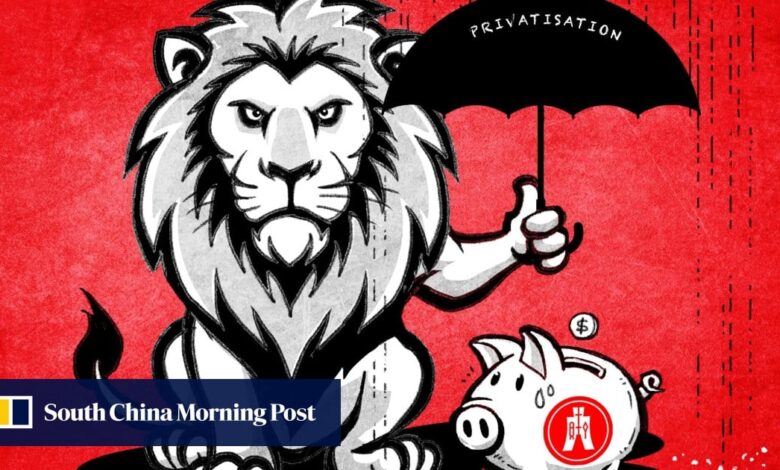
Following the January 8 shareholder vote that overwhelmingly approved the largest privatisation deal in Hong Kong’s history, many questions remain about the future of Hang Seng Bank, its stakeholders and the broader financial landscape.
For Hang Seng Bank’s shareholders, the immediate question is what to do with the HK$106.16 billion (US$13.6 billion) windfall from HSBC Holdings for acquiring the remaining 37 per cent it does not own.
“I invested in Hang Seng Bank for the long term because of the high dividend payment,” said Cecilia Ko, who holds about 1,000 shares. “Delisting Hang Seng reduces investors’ choice to invest in a bank dedicated to the local and mainland Chinese market.”
The differences between HSBC, with its international focus, and Hang Seng Bank, which has traditionally centred on Hong Kong and China, highlight the challenges ahead on how to integrate the two internally while keeping their brand identities distinct.

Analysts expect significant restructuring at HSBC and Hang Seng in the months ahead, with the goal of integrating the two banks, reducing operating costs, enhancing synergies, and tackling Hang Seng’s growing bad-debt burden.
“This is part of a broader trend where controlling shareholders seek to streamline operations and enhance control,” said Allan Zeman, a business tycoon and founder of nightlife district Lan Kwai Fong.
Source link