What assets does China have in Venezuela, and what could happen with Maduro gone?

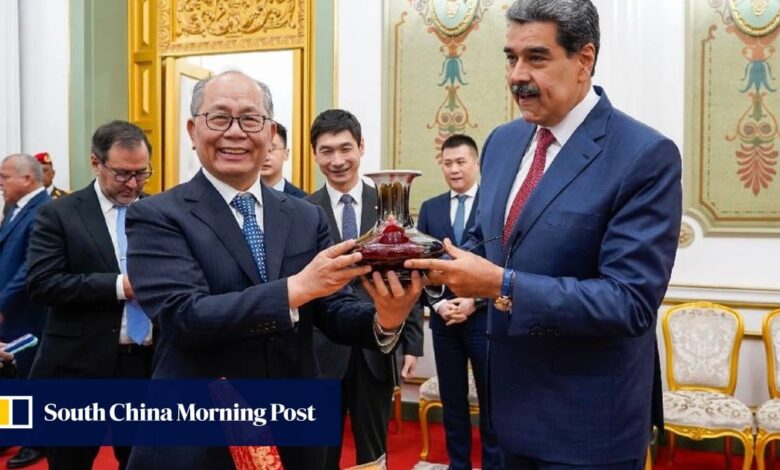
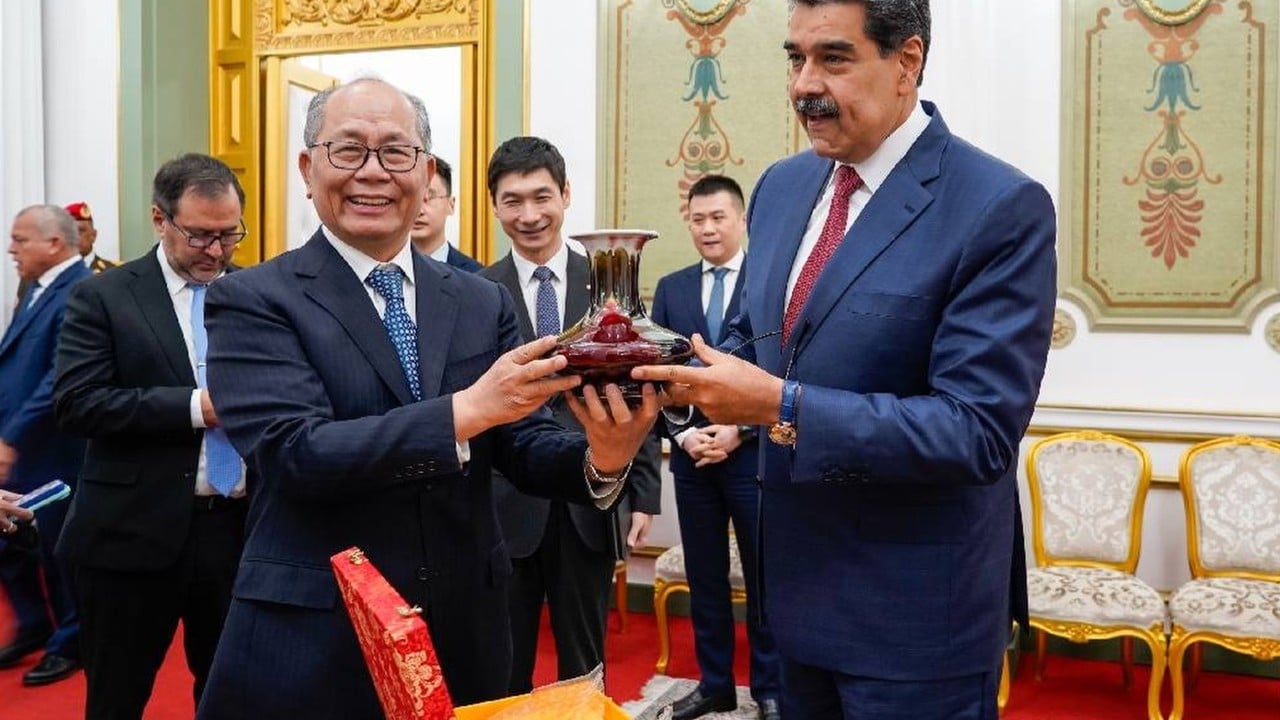
Amid prolonged international sanctions imposed on Venezuela, Chinese enterprises stand out as some of the few willing to pour resources into the South American country’s turbulent economy.
In this explainer, we examine the portfolio of Chinese assets in Venezuela and how they might stand to be affected by a US takeover.
What investments does China have in Venezuela?
Energy projects form the bedrock of China’s presence in the country, with state-owned giant China National Petroleum Corporation (CNPC) operating several key joint ventures.
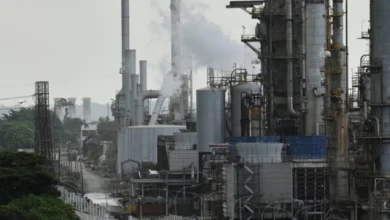
Venezuela holds what is recognised as the world’s largest proven oil reserves, primarily in the central Orinoco Belt, located in the East Venezuela Basin along the Orinoco River.
PetroSinovensa, a joint venture established in 2008 by CNPC and Venezuela’s state-owned PDVSA, develops the extra-heavy crude of this territory – a significant portion of which is shipped directly to China to service Venezuela’s sovereign debt.
And while new state-led investments slowed during the height of US sanctions, with the stock of investment from China declining in the past few years, some private-sector initiatives continued to forge ahead. In August, private firm China Concord Resources Corp began developing two Venezuelan oilfields as part of a 20-year deal signed in 2024. With a planned investment of US$1 billion, the project aims for a production capacity of 60,000 barrels per day by late 2026.
Telecommunications is another critical pillar of the bilateral relationship, with Chinese giants becoming the dominant providers for operators across the country. Huawei Technologies, which secured its first major contract with the Venezuelan government as early as 2004 – a US$250 million deal to improve the nation’s fibre optic infrastructure – continues to support the country’s 4G networks.
Source link