New Business
The View | Affordability, Japan, data centres: what will drive Asian property in 2026

For a region that was expected to bear the brunt of US President Donald Trump’s tariff blitz, Asia’s economies performed remarkably well last year. JPMorgan said Asia “dodged a bullet”. However, in the region’s real estate industry, there are other bullets to fear.
In the housing market, the severity of the deterioration in affordability is matched only by the futility of many of the policies aimed at improving it. It is not a coincidence that five of the six cities with the fastest rates of growth in prime residential prices in the third quarter of last year were in Asia, according to Knight Frank, which tracks the movement of property values in leading cities around the world.
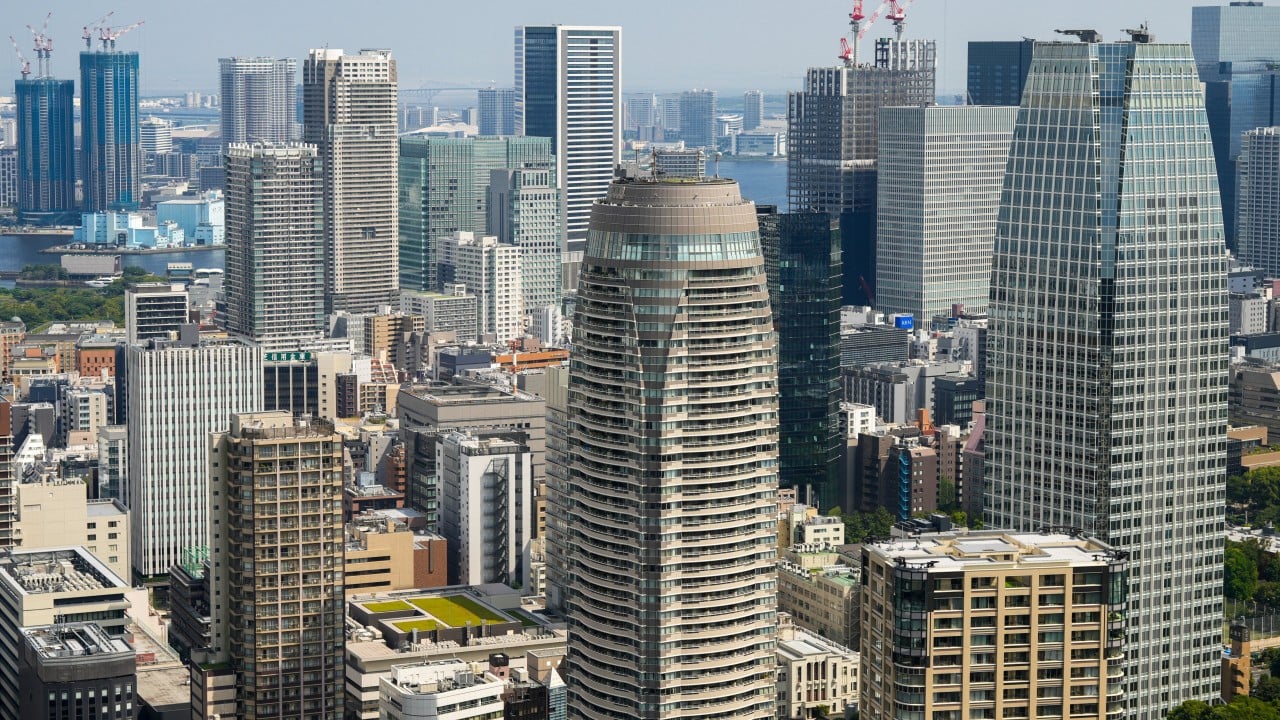
In Tokyo, prices rose a staggering 56 per cent in the year to the third quarter, while in Seoul they were up 25 per cent. In the rental market, Australia’s capital cities continue to record some of the briskest rates of growth, with flat rents in Sydney, Brisbane and Perth up 6-7 per cent in 2025. In the past five years, rents in the capital cities surged by an average of 47 per cent, according to data from Cotality.
According to the Urban Land Institute, affordability is defined as median home prices that are no more than five times median annual household income and median monthly rents that are no more than 30 per cent of median monthly income. Going by this definition, Singapore’s public housing system and flats in Melbourne were the only property segments among Asia’s leading cities that were within the reach of both buyers and renters.
Asian policymakers have responded to the deterioration in housing affordability by implementing policies focused on curbing demand, some of which scapegoat foreign buyers.
While governments have not gone as far as US President Donald Trump did last week by pledging to ban institutional investors from buying suburban rental homes, Australia and South Korea have imposed restrictions on foreign home purchases. Non-residents are banned from buying second-hand homes in Australia until March 2027, while in Seoul, they must secure approval to buy a property and reside there for at least two years.
Source link