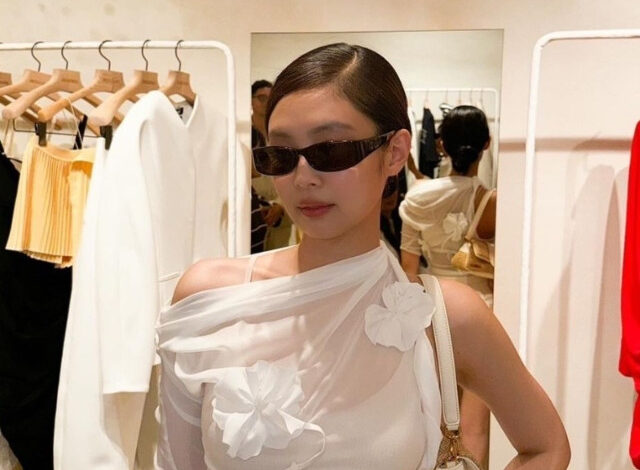
On July 30 KST, Jennie made a notable return to social media, posting a heartfelt message.
In her post, she captioned a photo of a staff member with, “Happy birthday, unnie. Princess, be happy today too.” This post marks Jennie’s first photo upload since the controversy earlier this month.
Jennie also shared her admiration for the staff member by capturing the person’s back, accompanied by the caption, “Her back is so hot.” This individual is known to fans as BLACKPINK’s stylist and Jennie’s regular coordinator, adding a personal touch to the tribute.
The post has garnered significant attention as it is Jennie’s first social media activity since July 8 KST. On that date, Jennie faced criticism for ‘indoor smoking’ and ‘abuse of power’ following an incident where she allegedly blew smoke in a staff member’s face while waiting in an indoor area for makeup.
Jennie’s return to social media and the nature of her post seem to address her fans directly, perhaps in an attempt to reconnect and move past recent controversies. Her followers have shown mixed reactions, with some expressing support and others still voicing their concerns over the previous incident.
Source link