How Chinese robotaxi giants are steering the Middle East towards a driverless future

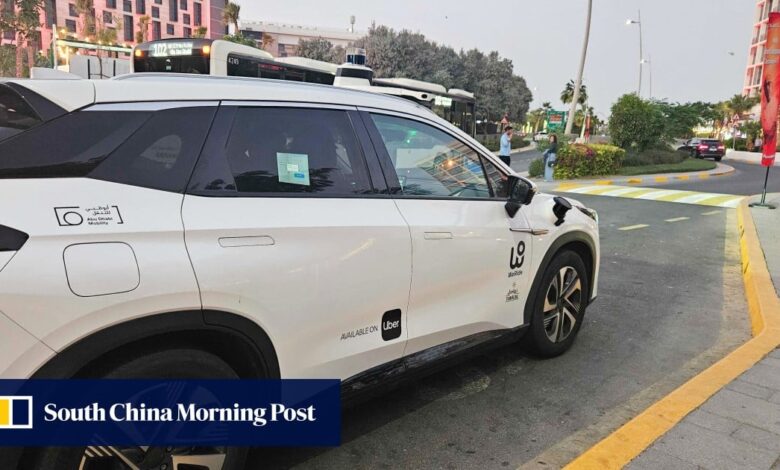
When hailing a car on Uber, riders usually choose between economy and premium options. But in certain areas in Abu Dhabi, capital of the United Arab Emirates, the first choice that flashes on the screen is “autonomous”.
Recent developments include WeRide and Baidu’s Apollo Go securing fully driverless permits in Abu Dhabi, Pony.ai starting pilot testing in Dubai, and CaoCao – a ride-hailing service backed by Chinese carmaker Geely – becoming the fourth Chinese robotaxi operator to enter the UAE.
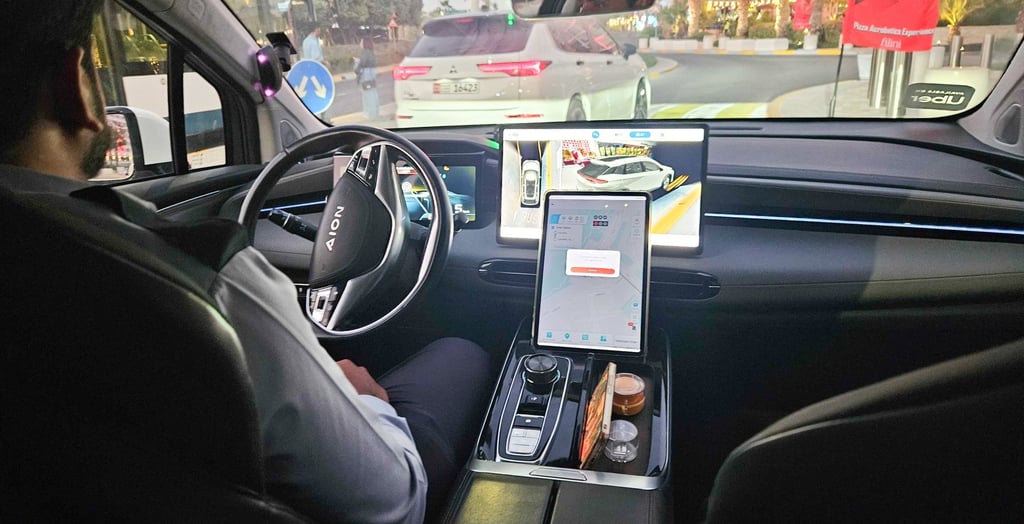
On Yas Island, robotaxis were scarcely visible even on one of the busiest days of the year – when the 2025 Abu Dhabi Grand Prix was held. By contrast, a regular workday in Wuhan saw a much larger fleet of self-driving cars, mostly Apollo Go, operating even in the downtown area.
Booking the cars was easy. Riders selected the designated pick-up and drop-off points on Uber and the vehicle arrived within two minutes at the precise location. Once seated, passengers tapped a “Start” button on a tablet mounted on the back of the front seat.
Source link