Opinion | Arguing about China’s overcapacity overlooks its drive for clean energy


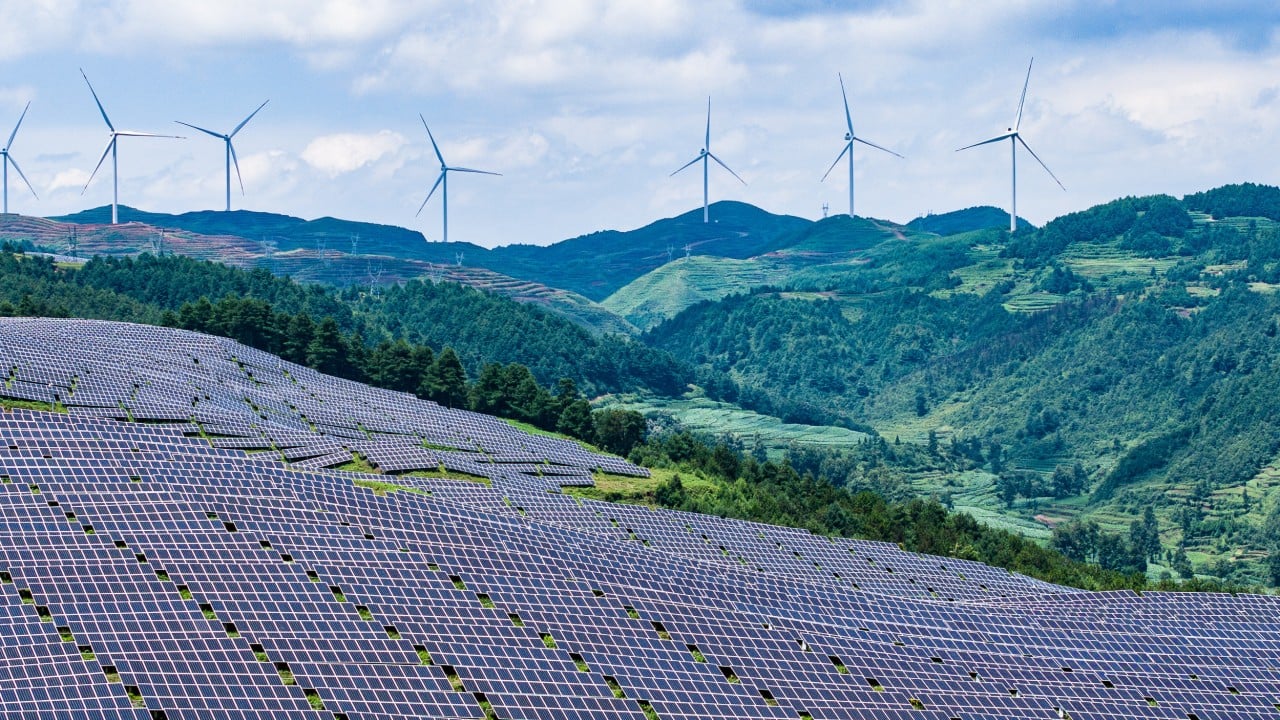
Part of the answer lies in how we frame China’s development. What is often described as excess capacity is better understood as the outcome of an energy-centred development strategy – one that treats energy as the foundation of modern economic capability.
Energy is the oxygen of modern life. Without it, economies suffocate. Every major leap in human development – from steam engines to silicon chips – has depended on energy availability. The decisive question today is whether we can deliver enough energy cleanly and quickly. Few countries illustrate this dilemma more clearly than China.
In the late 20th century, China was energy-poor. Its economic take-off was fuelled overwhelmingly by coal – abundant but environmentally devastating. By the late 1990s, toxic smog and contaminated rivers and soils were impossible to ignore. Chinese leaders understood this development model was unsustainable.
From the early 2010s, policymakers were already grappling with multiple challenges at once: environmental degradation, energy supply, industrial upgrading and the limits of growth driven by low-cost manufacturing. These issues also had to be addressed simultaneously.
Source link