New Business

Meow or never: China’s pudgy pets spark race for weight-loss drugs

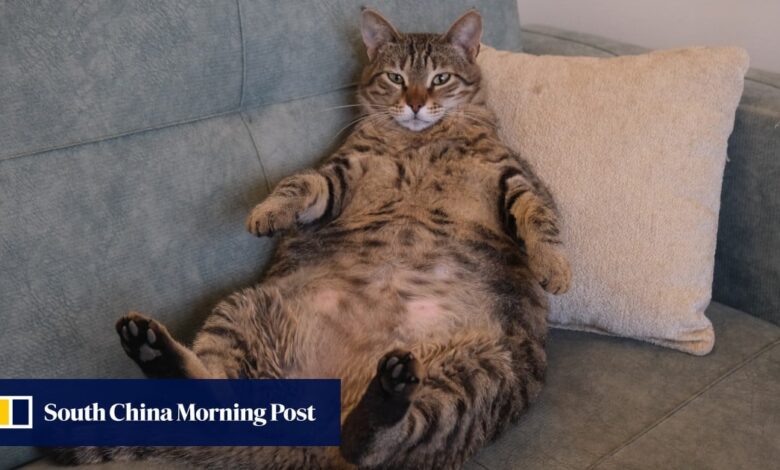
Irina Zhou’s five-year-old cat has gained about a kilogram every year for the past three years. She knows the extra weight puts her pet at risk of obesity-related diseases and could even shorten his life.

“My parents just can’t bear to see the cat go hungry,” the 29-year-old Zhou said. “If the weight starts to affect his health, I might consider trying weight-loss medicines for him.”

The idea of using obesity drugs for pets drew public attention after Fosun Pharma’s unit Yao Pharma signed a US$2.1 billion out-licensing deal with Pfizer on December 9 last year for an experimental oral obesity drug intended for both human and veterinary use.

Days later, a unit of Huadong Medicine received acceptance notices from Chinese regulators for veterinary drug registration applications targeting weight management in adult obese cats, signalling the treatment could soon enter the domestic market.
Both drugs from Yao Pharma and Huadong Medicine act on the glucagon-like peptide-1 (GLP‑1) pathway. GLP-1 is a natural hormone primarily produced in the gut after eating. Once released into the bloodstream, it acts as the body’s “satiety signal”, travelling to the pancreas to stimulate insulin, to the brain to reduce appetite and to the stomach to slow digestion.
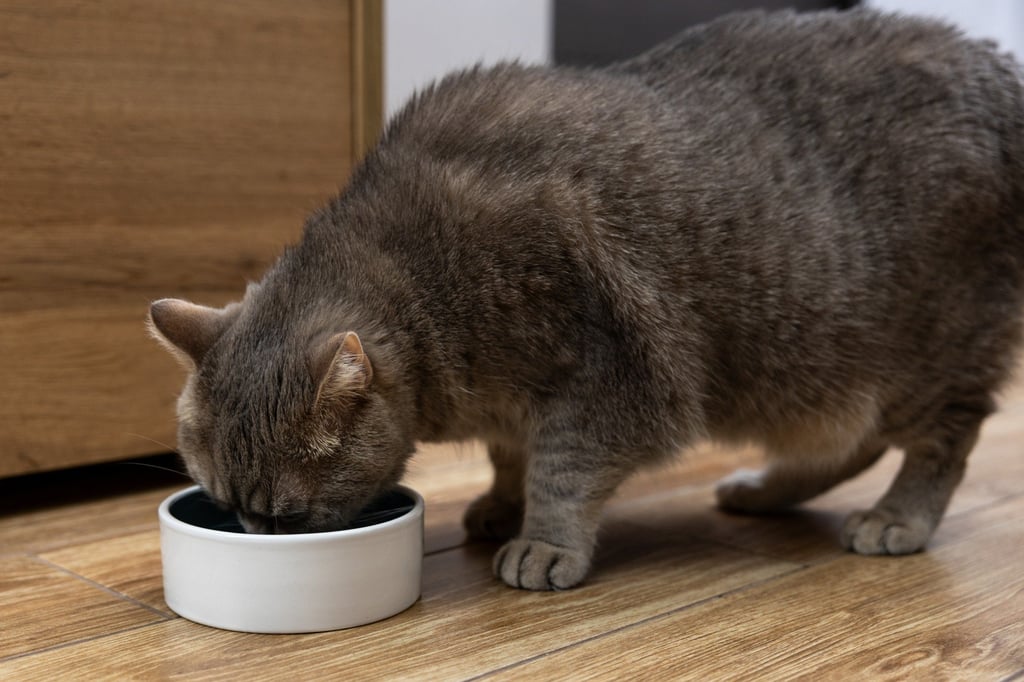
Some pet owners are wary of possible side effects from weight-loss drugs for animals. Photo: Shutterstock

GLP-1 receptor agonist drugs are designed to mimic the hormone, which normally disappears from the bloodstream within minutes.


Source link

Related Articles

Leave a Reply

Your email address will not be published. Required fields are marked *

Back to top button