Macroscope | A truly Asian economic bloc – can Asia succeed where it failed?

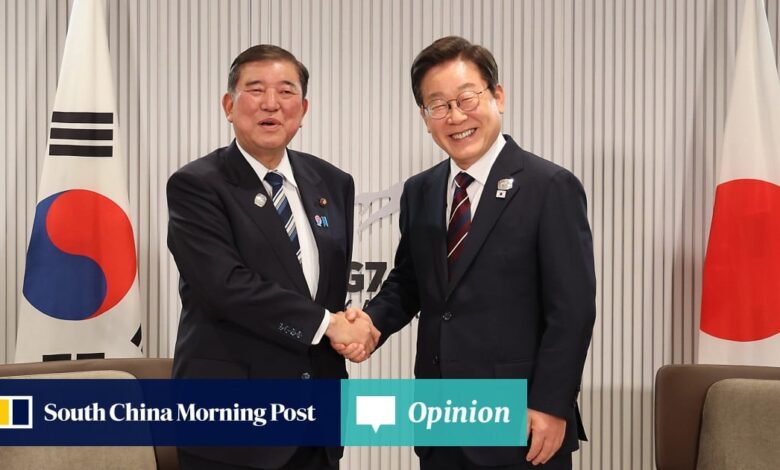

“It’s an ill wind that blows nobody any good,” to quote a centuries-old proverb. It is one that could be applied now with justification to the ill winds sweeping across the Pacific from US President Donald Trump’s America to Asia.
These disruptive currents are creating geopolitical turbulence, economic disruption and financial instability. However, the opportunity they present for Asia to challenge the post-war economic order and reshape its own destiny has received less attention.
In 1991, former South Korean prime minister Nam Duck-woo proposed the establishment of a Northeast Asia Development Bank during a lecture in Tianjin. Like Sakakibara’s proposed Asian monetary fund, such a development bank would have given East Asia considerably greater control over its own economic development and destiny than the region enjoyed at the time, but it was not in line with the US vision for the Asia-Pacific.
Source link