China’s fertility push: IVF grants grow, but high costs still deter couples

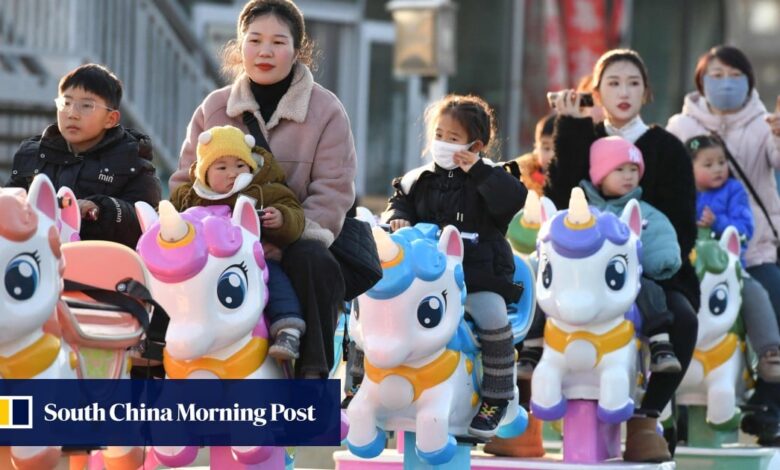
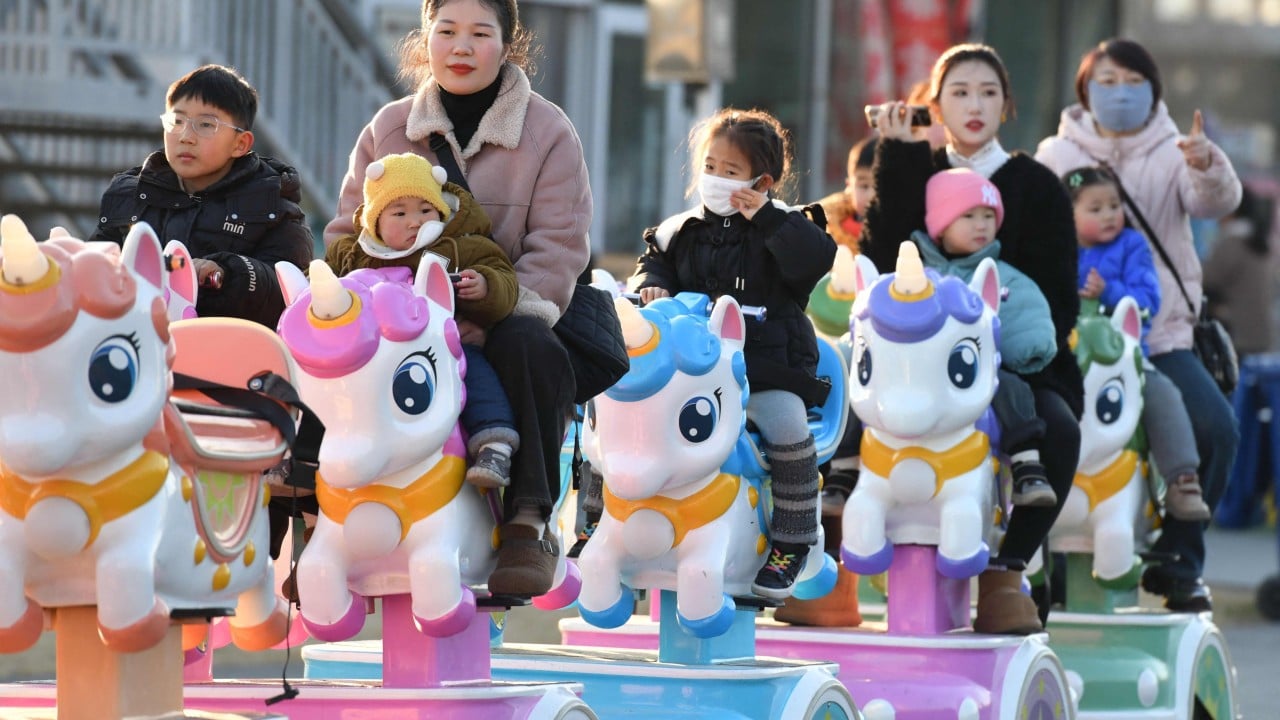
From cash handouts to reimbursed procedures, local governments across China are throwing money at in vitro fertilisation and related fertility treatments in a bid to coax couples into having children.
But some experts warn that the hi-tech push ignores the low-tech reality: raising a family is simply too expensive, and fertility subsidies cannot reverse China’s demographic decline.
Jingmen, a city in central Hubei province, is the latest to join the fray, announcing subsidies of up to 10,000 yuan (US$1,419) for IVF and 3,000 yuan for artificial insemination, effective January 1.
The plan builds on a wave of policies nationwide.
Tianmen, also in Hubei, launched similar grants at designated hospitals last year. And in July, Sichuan province’s Panzhihua began issuing lump-sum subsidies of 5,000 yuan for pregnancies achieved through assisted reproduction.
The scattershot incentives underscore an urgent nationwide need to reverse a demographic decline that threatens long-term economic and social stability. With China’s infertility rate estimated at 12 to 15 per cent, assisted reproduction is seen as a potential lever, even as years of piecemeal local-level incentives have failed to prevent the population from shrinking.
A Post search found a wide range of costs for IVF services in China, ranging from 30,000 yuan to 150,000 yuan.
Source link