New Business
The View | Resilient Asia shines as global office market sees signs of recovery


The facts speak for themselves. In 2019, investment transaction volumes in the office markets of central London and the New York borough of Manhattan reached US$17 billion and nearly US$16 billion respectively, according to MSCI. Last year, they stood at between US$2 billion and US$3 billion.
The Covid-19 pandemic, which kept many workers around the world at home, sapped demand for office space. Meanwhile, the sharp rise in interest rates hurt the sector even more, reducing the value of office buildings and making mortgage loans more expensive to roll over.
The appeal of other commercial property sectors with stronger fundamentals, such as logistics and rental housing, contributed to the woes of the office market. “For a time, offices became a dirty word,” MSCI noted.
In Asia, however, the office market was largely spared the severe disruption from the shift to working from home. A confluence of factors – smaller and often multigenerational households, more conservative corporate cultures and a stronger attachment to office life among employees themselves – acted against remote working.
In March 2023, average office utilisation rates in China, Japan and South Korea were 70 per cent, compared with 50 per cent in North America and Europe. In fact, office leasing volumes in the Asia-Pacific region as a whole had already recovered to average pre-pandemic quarterly levels by the middle of 2021.
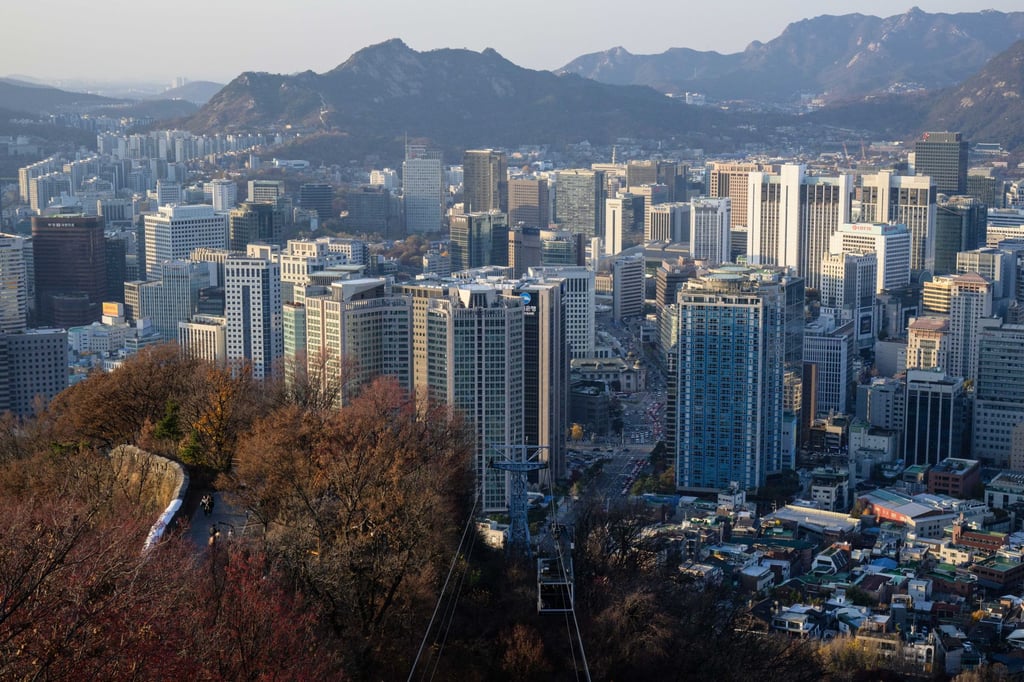
In Seoul, one of the world’s best-performing office markets in the past several years, transaction volumes in the sector hit a record high in 2021. A vibrant office market helps explain why South Korea’s capital has been one of the most actively traded cities in the Asia-Pacific in recent years.
Source link