[The content of this article has been produced by our advertising partner.]
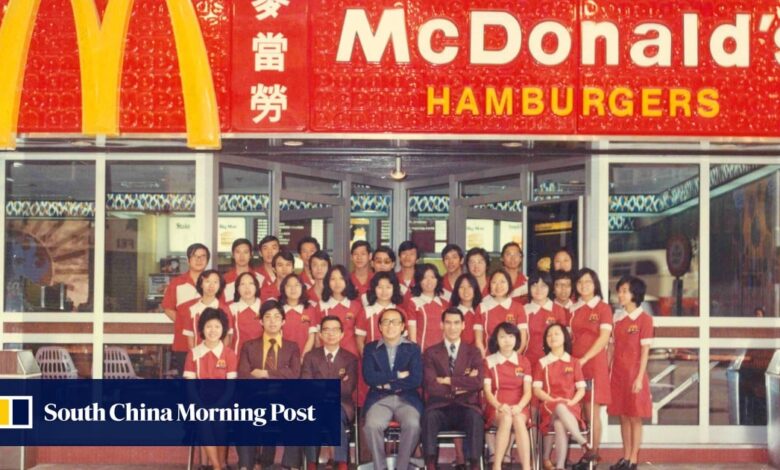
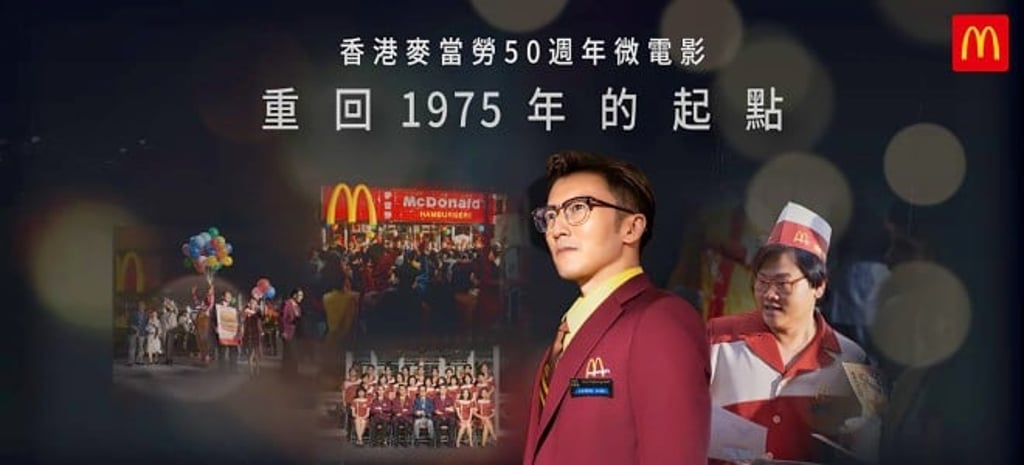
Hong Kong’s first McDonald’s opened on Paterson Street in Causeway Bay in January 1975. The queues that spilled on to the street have since become part of the city’s shared memory. Half a century later, McDonald’s Hong Kong operates 266 restaurants, employs about 18,000 people and serves around 1 million customers a day, making it a familiar presence across neighbourhoods and generations.
The anniversary comes at a time when the retail sector has been under pressure and consumer habits have shifted. While some businesses have opted for caution, McDonald’s Hong Kong has continued to invest. New product launches, large-scale partnerships, restaurant refurbishments and digital upgrades have been rolled out, alongside greater investment in people development. The strategy is guided by the principle “Customers First, People Obsessed and Innovate for Growth”.
According to the company, such efforts have led record results in sales, footfall and brand scores. Randy Lai, CEO of McDonald’s Hong Kong, refers to the approach as “glocalisation”. A global brand with a local heart, McDonald’s global systems and experience are applied with close attention paid to local tastes and habits, she explains, thereby allowing the brand to stay connected with customers in a fast-paced city.
Local tastes on the menu
Menu innovation has been integral to that connection. Alongside global staples such as the Big Mac and Fries, McDonald’s Hong Kong has introduced products adapted to local preferences, including Twisty Pasta, Local Milk Tea, Shake Shake Fries and collaborations with artists or intellectual property partners.
Recent launches show how quickly local demand can build. McGriddles were introduced in Hong Kong in the summer of 2024 and reached 1 million units sold in three days. In 2025, the Chef Nic Bolognaise Angus Burger returned after sustained customer requests. McCafé has also expanded its reach and is now the city’s largest coffee chain, supported by quality, value and convenience.
The objective is to democratize food trends to the mass at accessible prices. For younger customers in particular, McDonald’s is often where a new idea is tried for the first time, a role the brand has played for decades.
Campaigns rooted in shared memory
The 50th anniversary has been marked through a series of publicity events designed to reconnect the brand with the city. The year began with the return of 50 Ronald McDonald benches placed across Hong Kong, evoked shared memories with McDonald’s and acted as light-hearted landmark icons.
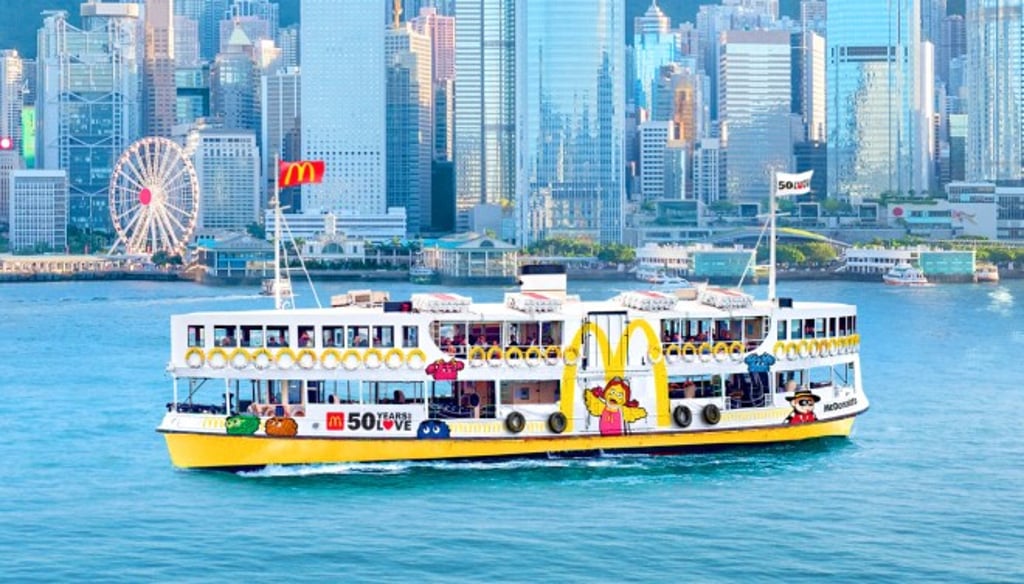
On New Year’s Day, a McDonald’s-themed Star Ferry crossed Victoria Harbour offering free rides. A separate sailing was arranged with Caritas Hong Kong for underprivileged families. Staff were also a key part of the celebrations. More than 8,000 frontline employees attended a three-night annual dinner at AsiaWorld Expo, which included a reunion with colleagues from the first Paterson Street restaurant.
Business partners were hosted at an Appreciation Dinner at Rosewood Hong Kong, where McDonald’s ingredients were used by the hotel’s chefs to create a fine-dining menu.
A flagship for a new pace
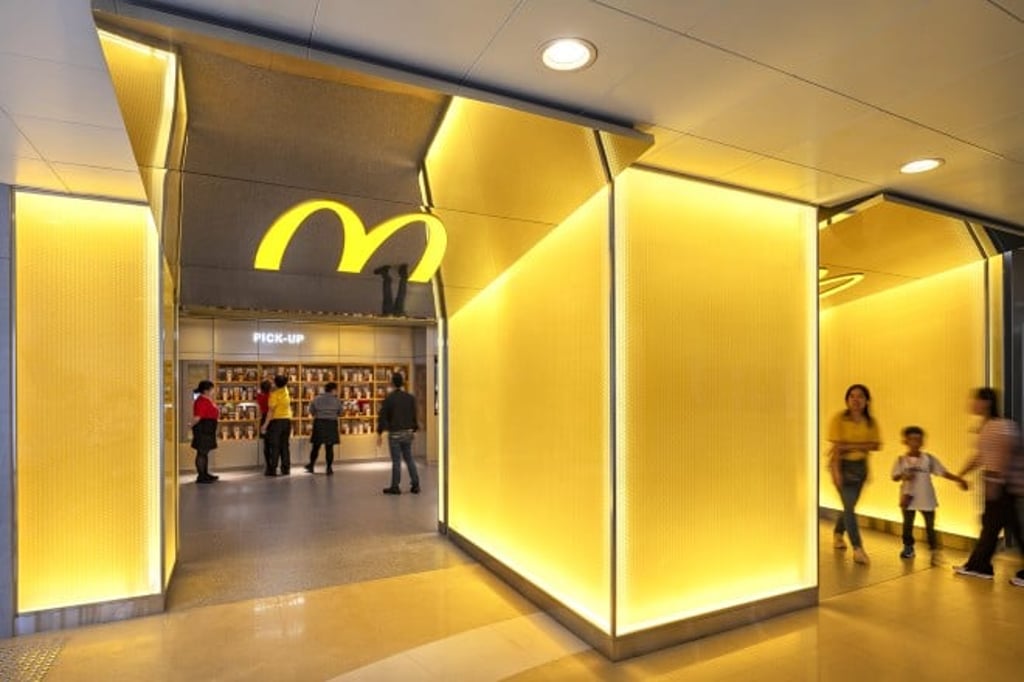
The refurbished restaurant offers 326 seats and around 30 per cent more dining space. The layout has been thoughtfully planned to handle dine-in and takeaway traffic at the same time. Smart Food Lockers, the first in McDonald’s Hong Kong, allow delivery riders to collect orders without disturbing customers, while party rooms can be adjusted for groups of different sizes. Staff facilities have also been expanded, following suggestions gathered from frontline staff.
Digital services and daily routines
As ordering habits have shifted, digital tools have taken on a larger role in how customers interact with McDonald’s. Since its launch in 2018, the McDonald’s App has grown to 3.8 million registered users, with about 2.2 million active each month. It supports ordering, payment and collection for dine-in and takeaway customers.
Functions have expanded over time. Table service can be arranged, personalised offers are issued, birthday parties can be booked and donations can be made to Ronald McDonald House Charities. A loyalty programme introduced in 2025 allows customers to earn points and redeem rewards through a simple interface.
Behind the scenes, digital systems have been upgraded to improve forecasting and operational efficiency, allowing frontline staff to focus more on service.
People, community and the years ahead
Community work continues through long-standing support for Ronald McDonald House Charities, which has raised more than HK$95 million since 2008. Environmental measures include the Tai Wo restaurant, Hong Kong’s first LEED Zero Carbon McDonald’s, and the replacement of plastic cutlery with wooden alternatives.
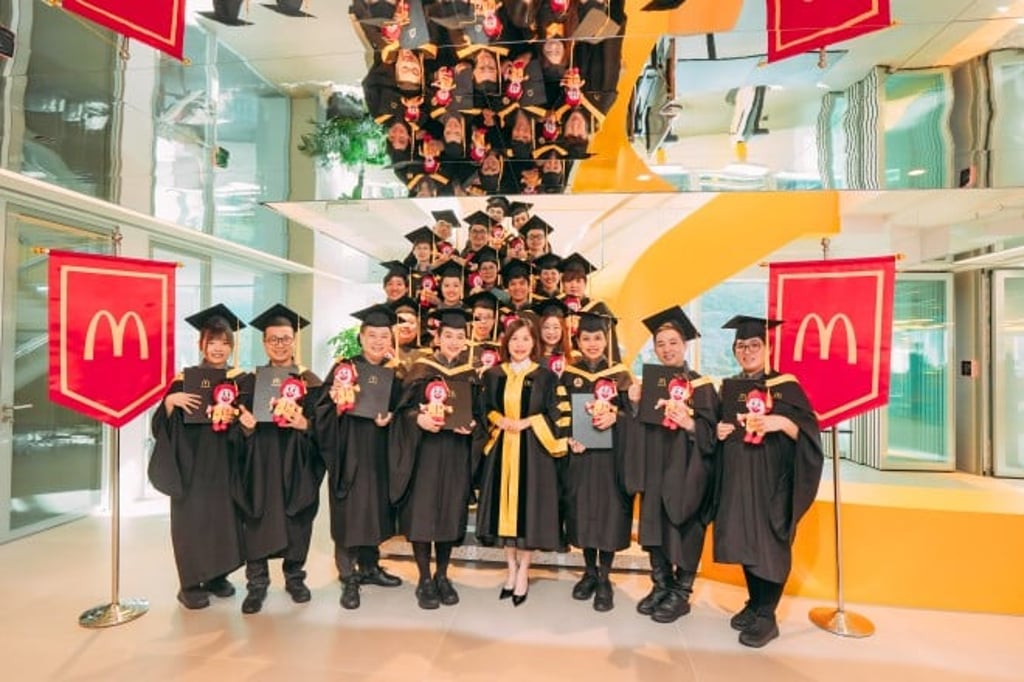
As it enters its next 50 years, McDonald’s Hong Kong says it will continue to invest in menu innovation, restaurant experience, digital transformation and community engagement, while leveraging its network and influence to create positive impact on the city, continuing to feed and foster the community it proudly calls home.
Source link