There is a specific kind of silence that falls over the British garden in mid-winter. It is a heavy, grey stillness, broken only by the sharp, metallic tic-tic-tic of a Robin claiming his territory on a frost-covered fence post.
I remember sitting with a steaming mug of tea one particularly bitter January morning, watching the hoar frost slowly melt off the lawn.
The garden felt beautiful, certainly, but lifeless. Then, I stepped out and filled the feeders. Within twenty minutes, the space was transformed into a carnival of colour, noise, and energy.
A charm of Goldfinches bickering over the sunflower hearts; a Dunnock shuffling quietly under the hedge; a Blue Tit performing gymnastics on the peanuts.
It is a moment of profound connection. For that brief window, the barrier between “us” (in our warm houses) and “them” (surviving the elements) dissolves. We become part of their survival strategy.
But over the years, as I’ve dug deeper into the ecology of our gardens, I’ve learned an uncomfortable truth: feeding wildlife is not just a hobby; it is a heavy responsibility.
We tend to view throwing out bread crusts or hanging a fat ball as a simple act of kindness. However, modern ecological research tells us that some of our oldest habits are actually doing harm.
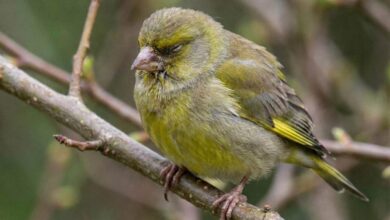
From “Metabolic Bone Disease” in hedgehogs caused by store-bought mealworms, to the catastrophic spread of Trichomonosis among Greenfinches, kindness without knowledge can be dangerous.
With over 433,000 hectares of gardens in the UK (an area larger than all our National Nature Reserves combined), we have the power to create a vast, interconnected sanctuary.
This guide is designed to move beyond the myths and provide a scientifically-backed framework to help you turn your garden into a life raft for nature.
Part 1: The Philosophy of the “Wild Kitchen”
Before we look at specific species, we need to establish the ground rules. When you start feeding wildlife, you are effectively managing a small nature reserve.
Rule 1: Water is Life
We obsess over food, but water is often the limiting factor in a garden’s biodiversity. In both the frozen depths of January and the heatwaves of July, animals often die of dehydration before starvation.
A seed-based diet is very dry; birds need to drink frequently to process it.
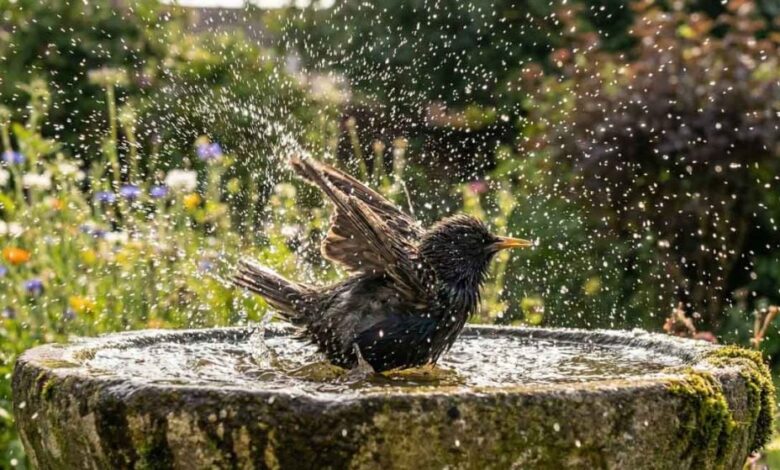
Furthermore, bathing is essential for feather maintenance—a bird with dirty feathers loses its waterproofing and insulation, which can be fatal in winter.

Rule 2: Hygiene is Non-Negotiable
A dirty feeder is a lethal weapon. When birds feed naturally in the wild, they are dispersed. They don’t defecate where they eat.
In our gardens, we force them to congregate in high densities on a single pole. This creates a “super-spreader” environment for pathogens.
If you aren’t prepared to clean your feeders weekly using veterinary-grade methods, you shouldn’t feed.
Rule 3: Consistency Counts
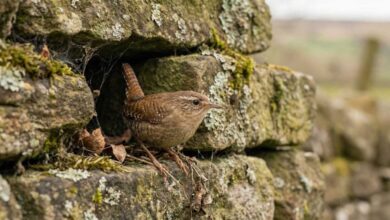
If you start feeding in winter, you must keep going until spring. Small birds like Wrens and Goldcrests have very little fat reserve—sometimes enough for just one cold night.
They will waste vital energy flying to your garden because they expect food to be there.
Part 2: The Avian Calendar
Feeding birds isn’t a static activity. To be truly helpful, you need to match your menu to the seasons (Phenology).
In winter, birds are fighting hypothermia and need high-calorie, rapid-release energy like suet and sunflower hearts. However, as spring arrives, the dietary needs switch to Protein and Calcium for egg-laying and chick growth.
Feeding the wrong food at the wrong time—like loose whole peanuts in spring—can be fatal to nestlings.

Part 3: The Mammals (Hedgehogs, Foxes & Badgers)
Our larger garden visitors are often the most misunderstood, and our attempts to help them can sometimes backfire.
The Hedgehog Crisis
Hedgehogs are in steep decline, and our gardens are their best hope. However, a common feeding mistake is crippling them. Feeding mealworms in bulk causes Metabolic Bone Disease, where calcium is leached from the hedgehog’s skeleton, leading to fractures and death.
We must switch to wet, meaty cat food or specialized hedgehog kibble.
The Night Shift: Foxes and Badgers
Feeding these large mammals is a thrill, but it requires boundaries. We want to support them, not tame them. A tame fox is a vulnerable fox. You also need to manage the conflict between them—Badgers are the primary predator of Hedgehogs, so feeding them in the same spot is inviting trouble.

Part 4: The Unseen Majority (Insects)
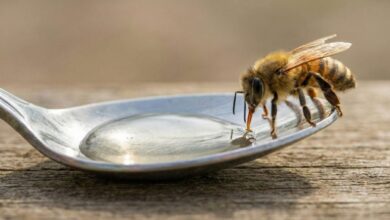
Pollinators are the engine of the garden, but viral internet posts often lead us astray. You have probably seen posts telling you to leave spoons of sugar water out for “tired bees.”
The reality is that routine sugar water feeding is “junk food” for bees. It lacks the amino acids and microbiome bacteria found in nectar.
Worse, open bowls of sugar water spread diseases like Deformed Wing Virus between colonies. We also need to talk about “Bee Hotels”—if not cleaned annually, they become death traps full of pollen mites.

Part 5: Safety First (Rats & Disease)
The most common objection to feeding wildlife is: “Won’t it attract rats?” The answer is: Yes, if you do it wrong.
Rats are a part of our urban ecosystem, but most gardeners prefer they don’t take over the bird table.
The solution is not poison (which kills Owls and Kestrels via secondary poisoning), but physics and biology.
Strategies like using baffles, storing food correctly, and using the “Chilli Trick” can keep your garden rodent-free without harming the food chain.
Conclusion: The Garden as a Sanctuary
By following these principles, you are doing more than just “feeding the birds.” You are actively managing a habitat. You are compensating for the loss of hedgerows and meadows in the wider countryside.
When you see a healthy Hedgehog emerge from hibernation in March, or a fat Robin singing in December, you will know that your “Wild Kitchen” played a part in their survival.
Source link