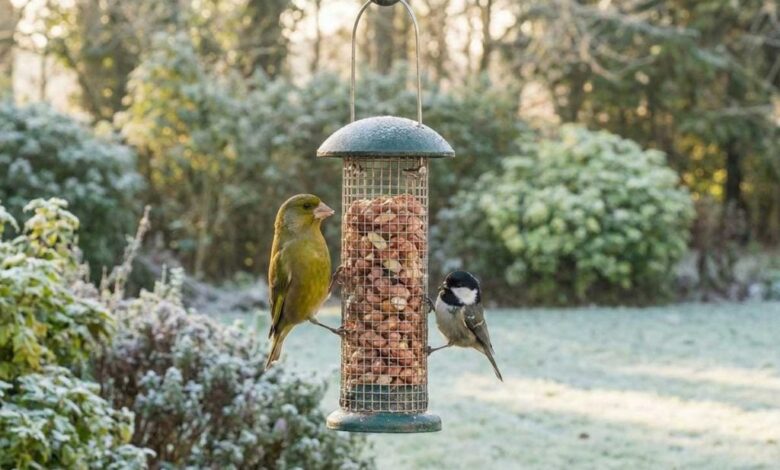
Feeding birds is often our first step into wildlife gardening. It certainly was for me. There is nothing quite like the flash of a Goldfinch’s yellow wing or the cheekiness of a Blue Tit to brighten up a grey Tuesday morning.
But did you know that what a Blue Tit needs in January is completely different from what it needs in May?
Bird feeding isn’t a static activity. To really help, we need to match the menu to the phenology (the seasonal cycles) of nature.
A diet that saves a bird in winter can actually kill its chicks in spring. Here is your complete, authoritative guide to the avian calendar.

The Nutritional Science: Fat vs. Protein
To understand feeding, you need to understand the bird’s annual cycle.
- Winter = Thermogenesis (Heat Production): Birds need rapid, high-calorie fuel to burn overnight just to stay warm. Target: Lipids (Fats).
- Spring = Biosynthesis (Growth): Birds are building eggs, feathers, and muscle for chicks. Target: Protein & Calcium.
The Power of the Calorie: A Nutritional Comparison
Not all bird food is created equal. Below is a comparison of the energy density of common bird foods.
You can see why Sunflower Hearts are the gold standard—they offer massive energy (fat) without the effort of de-husking.
|
Food Type 69964_3e1da7-5a> |
Energy (kcal/100g) 69964_6e2005-8e> |
Fat Content (%) 69964_df44df-e8> |
Protein Content (%) 69964_a480d8-a1> |
Best For 69964_03ae1d-5b> |
|---|---|---|---|---|
|
Sunflower Hearts 69964_f6c650-88> |
~580-600 69964_bbecda-0f> |
~55% 69964_91946e-bd> |
~20% 69964_3ace1c-dd> |
Winter Fuel / All-round 69964_730f49-00> |
|
Peanuts 69964_585050-a1> |
~560 69964_64bd3b-1b> |
~49% 69964_2bba5f-c0> |
~25% 69964_244556-07> |
Winter Fuel / Tits 69964_4bf21d-8e> |
|
Dried Mealworms 69964_754739-75> |
~470 69964_6f1013-55> |
~27% 69964_30bb72-6a> |
~53% 69964_0dbf8c-61> |
Spring Breeding / Robins 69964_9fb768-74> |
|
Wheat/Cereal 69964_bb360b-80> |
~340 69964_2bd0da-0f> |
~2% 69964_8f6fcf-e0> |
~12% 69964_6b3e1f-3c> |
“Filler” (Avoid in small feeders) 69964_c074fd-97> |
The Winter Menu (October – February)
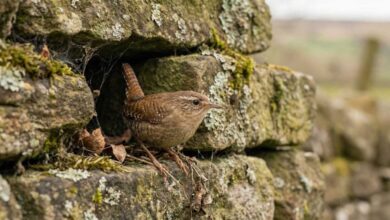
As the days shorten and temperatures drop, a small bird’s main enemy is the cold. A tiny Goldcrest or Wren can lose a significant percentage of its body weight in a single freezing night.

Suet and Fat Balls:
These are pure calories.
- Safety Note: Always remove the nylon mesh bags they often come in. These are notorious for trapping tiny feet and tongues, leading to fatal injuries. Always use a rigid metal cage feeder.
Sunflower Hearts:
These are the gold standard. Because the husks are already removed, birds don’t have to waste precious energy cracking them open. It’s “fast food” in the best possible way.
Peanuts:
Rich in oil and protein.
- Crucial Rule: In winter, never put loose whole peanuts on a table. They must be in a rigid mesh feeder. A small bird trying to swallow a whole peanut quickly can easily choke.
The Breeding Menu (March – July)
This is the danger zone. Do not feed loose whole peanuts, large chunks of dry bread, or hard fat balls in spring.
A parent bird, desperate to silence a begging chick, may try to force these large, dry items down the chick’s throat, causing choking or severe dehydration.
Live Mealworms: The closest substitute for natural caterpillars. 50% protein and full of moisture.
Soaked Dried Mealworms: If you use dried, you must soak them in warm water for 30 minutes first. Chicks get hydration from food; dried insects can dehydrate them.
Mild Grated Cheese: A source of calcium for eggshells. Must be mild and unsalted.

The 12-Month Feeding Calendar
Managing a bird table is a year-round commitment. Here is what you should be doing each month.
|
Month 69964_835e34-06> |
Bird Behaviour 69964_02d05a-2c> |
Priority Food 69964_b7e1ca-4d> |
Action 69964_35857d-18> |
|---|---|---|---|
|
January 69964_fee066-94> |
Survival. High mortality risk from cold. 69964_339499-d9> |
High Fat: Suet blocks, Sunflower Hearts. 69964_c4e6b9-91> |
Break ice on bird baths daily. Feed twice a day (dawn/dusk). 69964_d00b06-2a> |
|
February 69964_0be74b-65> |
“The Hungry Gap”. Natural berries are gone. 69964_ea3a46-0d> |
High Fat: Peanuts (crushed), Suet. 69964_3a6d33-5a> |
Clean nest boxes ready for spring. 69964_557206-ce> |
|
March 69964_65198b-fa> |
Territorial singing. Early nesting begins. 69964_254b0d-f1> |
Protein Shift: Mealworms, Calci-worms. 69964_abb4db-12> |
Stop feeding whole peanuts. Do not cut hedges (nesting risk). 69964_de0dae-6a> |
|
April 69964_a69187-c3> |
Peak egg-laying. Calcium demand is high. 69964_7353b7-65> |
Calcium: Grated cheese, Calci-worms. 69964_0884bf-84> |
Soaked mealworms only. Ensure water is clean. 69964_e51a4a-c3> |
|
May 69964_58c5a1-e8> |
Feeding chicks. Parents are exhausted. 69964_413091-16> |
Soft Food: Soaked oats, waxworms. 69964_d30661-01> |
No dry bread. Keep feeders full to support parents. 69964_370c27-2e> |
|
June 69964_b643b0-1d> |
Fledglings emerge. Naive and vulnerable. 69964_6e72cf-b8> |
Accessible: Ground feeding trays. 69964_137259-7b> |
Watch for cats preying on clumsy fledglings. 69964_942329-25> |
|
July 69964_254f3a-a4> |
The “Summer Lull”. Natural food is abundant. 69964_59ce5d-46> |
Water: Hydration is key. 69964_5cf319-84> |
Top up baths. Food uptake may drop (this is normal). 69964_09efc4-f9> |
|
August 69964_3a6165-a0> |
Moulting. Birds look scruffy and hide away. 69964_20dbea-ca> |
Protein: For feather regrowth. 69964_d78c49-01> |
Birds are quiet while growing new feathers. Keep feeding. 69964_75fbe2-46> |
|
September 69964_cb2584-7a> |
Post-moult. Families group together. 69964_6b4e76-f7> |
Seed: Mixed seeds, Sunflower hearts. 69964_2e84ee-d1> |
Deep clean all feeders before winter. 69964_a1e046-d6> |
|
October 69964_0f3db0-77> |
Migration. Winter thrushes arrive. 69964_b3a85a-a1> |
Berries: Apples, Rowan berries. 69964_e5cb8a-f7> |
Leave windfall fruit on the lawn for Redwings/Fieldfares. 69964_6c5453-8a> |
|
November 69964_4ca4ad-98> |
Frosts begin. Fat reserves building. 69964_67f376-93> |
Fat: Reintroduce Suet balls. 69964_d0c300-74> |
Check weight of food—increase if eaten quickly. 69964_33a91b-e8> |
|
December 69964_78e081-57> |
Shortest days. Maximum calorie burn. 69964_cf4110-06> |
High Energy: Peanut butter (bird safe). 69964_bac33c-15> |
Feed heavily. Provide shelter/roosting pockets. 69964_6b42fb-33> |
The “Angel Wing” Issue (Why Bread is Bad)
We all grew up feeding ducks bread at the local park, but for garden birds and waterfowl, it is essentially junk food. It fills their stomach but provides almost zero nutrition.
In waterfowl, a diet high in carbohydrate calories (bread) but low in vitamins (Vitamin D, E, Manganese) causes Angel Wing.

The flight feathers grow too heavy for the developing wrist joints, causing the wings to twist outwards. It renders the bird flightless. Swap bread for sweetcorn, peas, or oats.
Source link