China discovers Asia’s largest undersea gold deposit off Jiaodong Peninsula

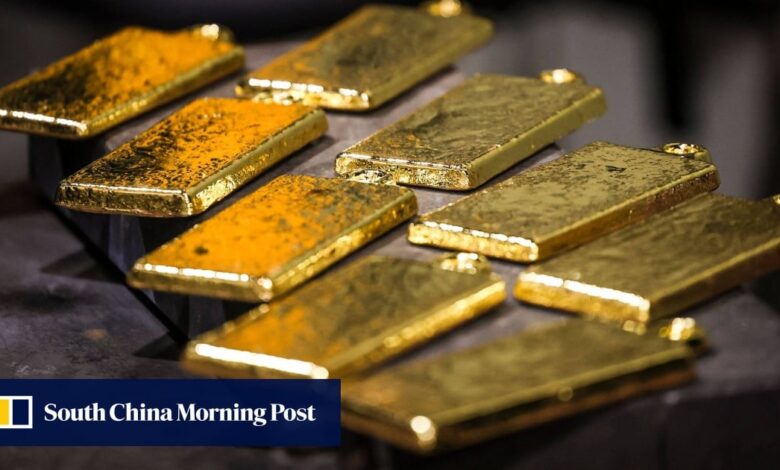
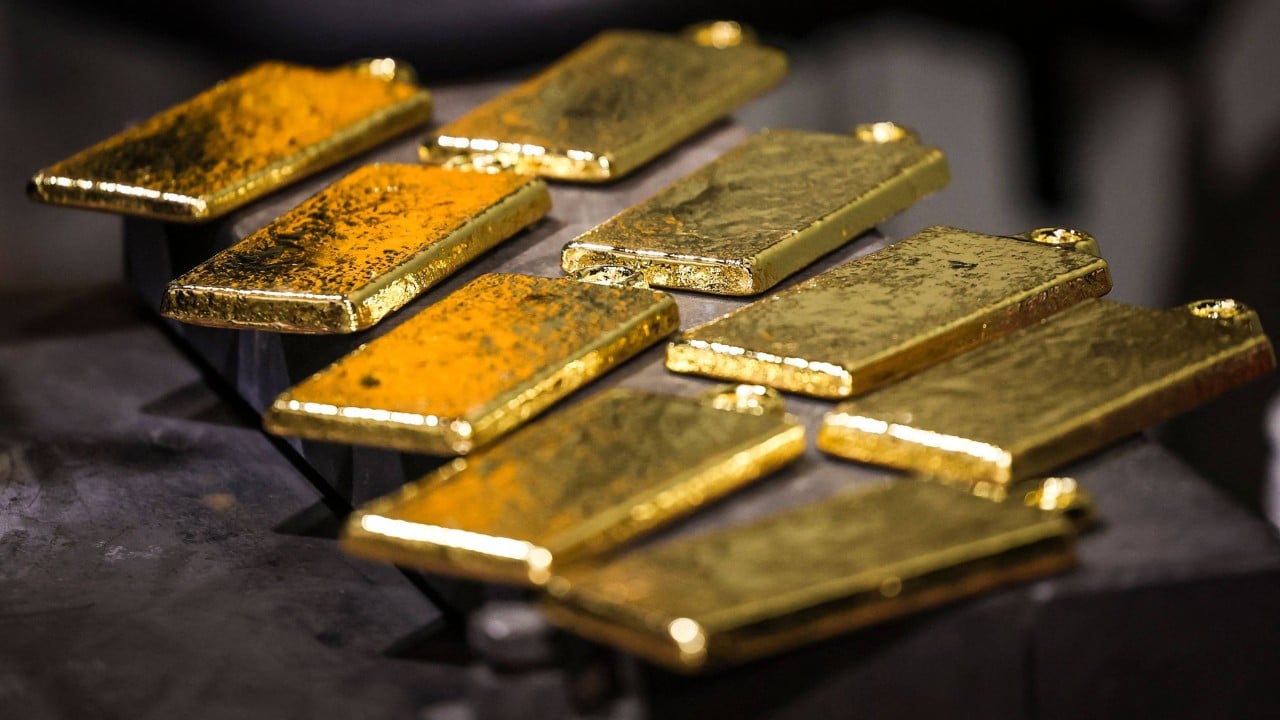
China has discovered its first undersea gold deposit – the largest in Asia – marking a breakthrough as Beijing steps up nationwide exploration for the precious metal.
The discovery, off the coast of Laizhou, in Yantai, Shandong province, lifted Laizhou’s total proven gold reserves to more than 3,900 tonnes (137.57 million ounces) – about 26 per cent of the national total – ranking it top in both gold reserves and output in China, Yantai’s city government disclosed this week at a conference on its achievements during the current five-year plan and its plans for the next one.
However, authorities did not disclose the actual size of the undersea gold deposit.
It is the latest in a string of gold finds that suggest China’s reserves may be substantially larger than previously estimated.
Last month, the country announced the discovery of its first super-large, low-grade gold deposit in the northeastern province of Liaoning, with confirmed reserves of 1,444.49 tonnes (50.95 million ounces), which the Ministry of Natural Resources described as the largest single gold deposit discovered since the founding of the People’s Republic of China in 1949.
In November 2023, Shandong said it had identified about a quarter of China’s gold reserves, including more than 3,500 tonnes (123.46 million ounces) on the Jiaodong Peninsula – the world’s third-largest gold mining belt – where Laizhou is located.
Source link