It’s been one year since US President Donald Trump began his second term. Few analysts and investors doubted Trump 2.0 would be more confrontational and disruptive. Still, the ferocity of Trump’s attacks on the rule of law, institutions and US allies have far exceeded the worst fears of his sternest critics.
That a supposed ally is using economic coercion to seize the sovereign territory of a fellow member of Nato shows how fast the unthinkable has become real.
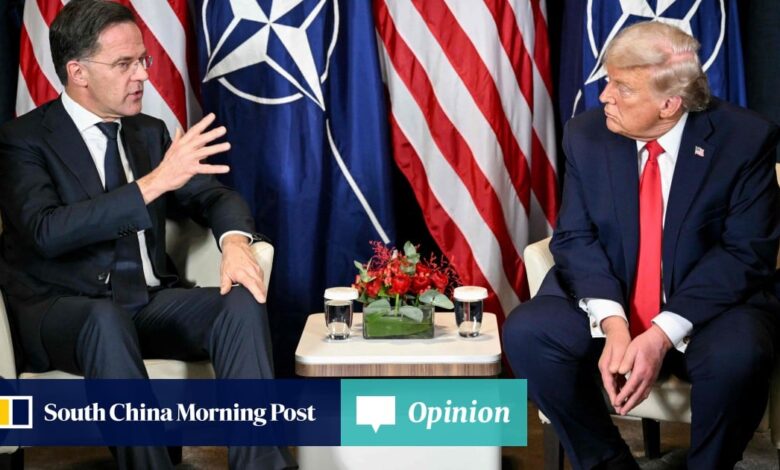
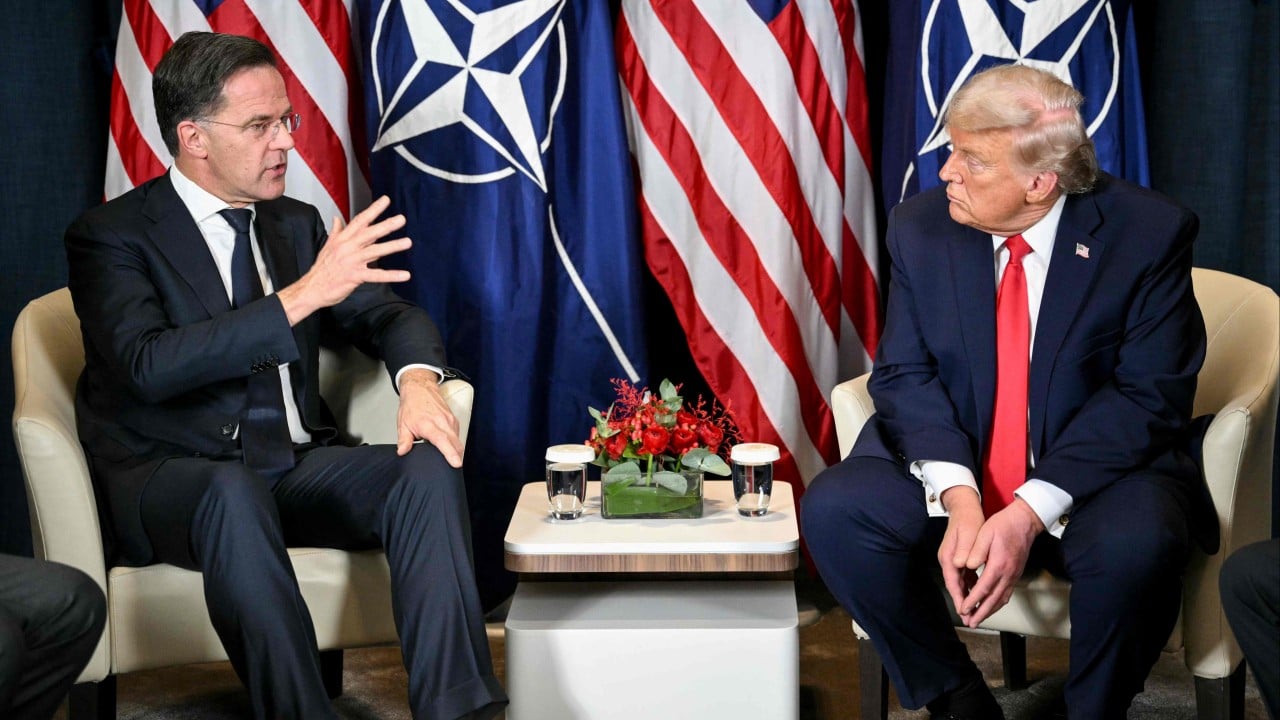
At the World Economic Forum in Davos, Switzerland, Trump ruled out the use of military force to take possession of Greenland, a self-ruling territory of Denmark. He also claimed he had formed “the framework of a future deal” on Greenland during a meeting with Nato Secretary General Mark Rutte.
Yet while Trump dropped plans to impose tariffs on eight European countries that sent military teams to Greenland, the uncertainty over the fate of the territory persists. The stand-off has eased somewhat but Trump’s determination to acquire Greenland, by hook or by crook, is an existential crisis for the European Union and Nato.
Europe is struggling to come to terms with Trump’s use of tariffs as a multipurpose tool to address economic, geopolitical and security concerns. The EU is still shell-shocked that its strongest ally has turned on it with a vengeance. The US’ National Security Strategy last month framed Europe as at greater risk from its own democratic failings than from a revanchist Russia.
This partly explains why the EU has opted for diplomacy, so much so that it has appeased Trump. Under the terms of the trade agreement signed with the US last July, which the European Parliament has refused to ratify, the EU accepted a 15 per cent tariff rate on its exports to America without retaliating.
Source link