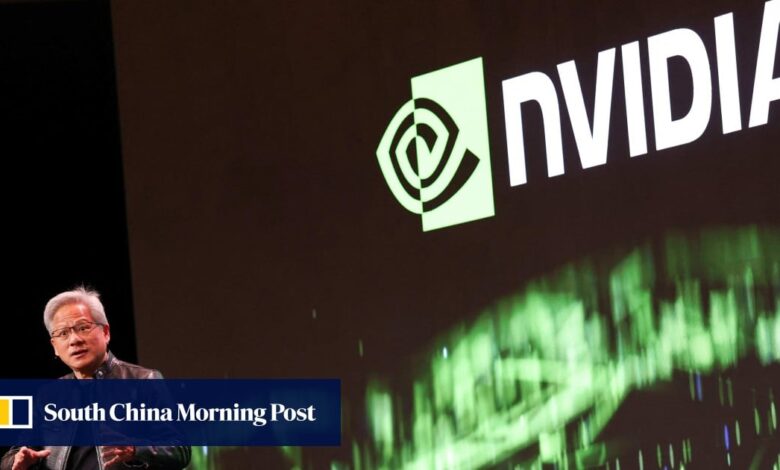
Jensen Huang took the stage at the CES trade show in Las Vegas this week to make the clearest pitch yet for Nvidia’s autonomous driving technology. In doing so, the CEO’s vision for vehicles that can drive themselves edged into the terrain of major customers like Tesla and its boss, Elon Musk.
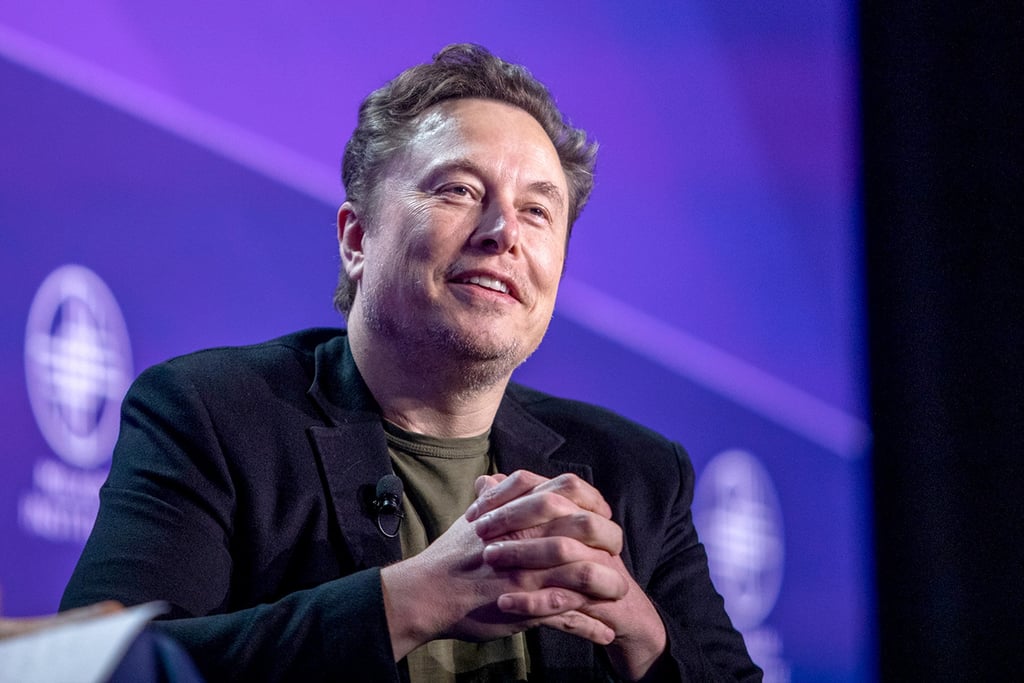
Huang’s remarks sparked a widely watched – if notably polite – indirect multiday exchange between two of the most influential figures in technology. It also sharpened a central question about autonomous driving: who controls the technology that will first power cars that drive themselves – and later, driverless cars known as robotaxis that are designed for ride-hailing? And whose autonomous vehicle system is the best?
On Monday, Huang used his speech to America’s largest technology showcase to extol the virtues of Nvidia’s Alpamayo, an open-source AI model designed to speed development of level 4 self-driving cars. Such cars can drive themselves without human supervision or intervention within a defined geographic area.
Nvidia described Alpamayo as part of a broader toolkit it offers carmakers on top of open models. That includes powerful chips in data centres to train self-driving software, chips inside vehicles that serve as the car’s “brain” while it’s on the road, and simulation software that can create vast amounts of driving data virtually – reducing the time and cost of collecting it in the real world. The pitch was aimed squarely at carmakers.
Nvidia wants to supply the intelligence layer for autonomy without building the car itself, but it still wants to own the technology that makes self-driving a reality.
Source link