New Business
Macroscope | Shareholder capitalism is taking Asian family businesses in a new direction

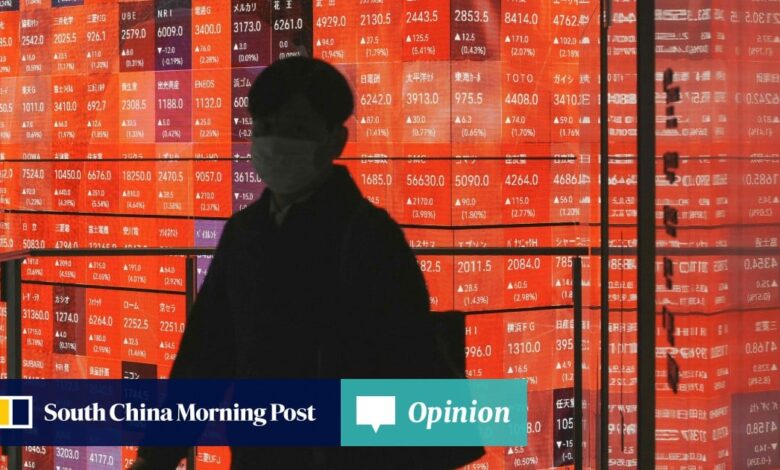
There were plenty of fireworks in major stock markets during 2025. Wall Street plunged after US President Donald Trump’s “Liberation Day” tariff barrage, only to end the year near a record high while Tokyo’s Nikkei index surged through the 50,000 mark. It is little surprise that significant developments in private equity markets in and beyond Asia went largely unnoticed.
Shareholder capitalism continues to evolve outside the headlines. The pace of change is accelerating in Asia especially, not least in Japan. The latest stage of evolution involves an increasing shift from public to private equity financing, apparently reversing the decades-long trend of companies seeking a wider shareholder base via stock exchange listing of their shares.
This has particular significance in a region where family-owned companies have long dominated the economic landscape. The shift implies a dilution of family ownership in favour of greater external ownership and control, albeit concentrated more in the hands of financial institutions and less in those of individual investors.
Family businesses form the backbone of the Asian economy, with most companies in the Asia-Pacific owned by a family group. According to global leadership advisory firm Russell Reynolds, of the top 750 global family businesses ranked by revenue in 2020, over 20 per cent were Asia-based, with total revenue of almost US$2 trillion.
Changes taking place in equity markets mark a tacit recognition that a continuing reduction in the number of companies listed on global stock markets is occurring at a time of rising inflows of savings into investment institutions, resulting in more frequent and bigger stock bubbles. This drives the search for new equity and other assets via private markets.
There is still a huge amount of potentially investible assets untapped by stock market investors because they are held by unlisted companies. Where family ownership remains high, as in Asia, companies have been reluctant to go public because of the onerous financial disclosure and other regulatory requirements that a stock exchange listing entails.
Source link