Helping Garden Insects: The Truth About Sugar Water & Bee Hotels

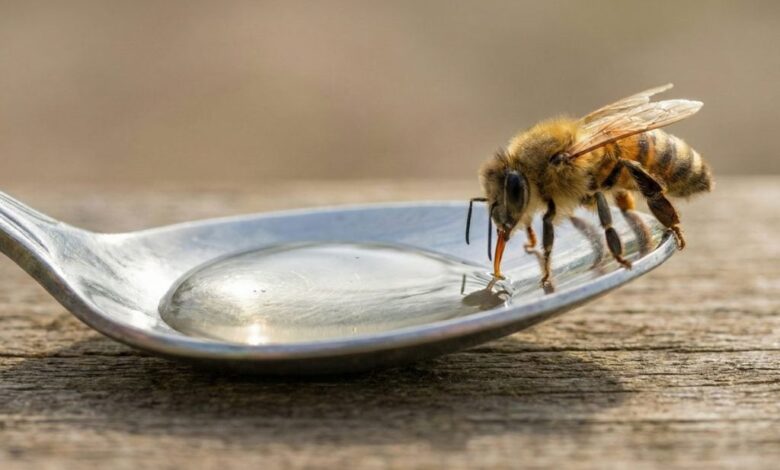
In recent years, the internet has been flooded with well-meaning advice about “saving the bees.” You’ve likely seen the viral posts: “Leave a spoon of sugar water on your wall to save a tired bee!”
While the intention is noble, the reality is biologically complex. In some cases, our attempts to help can actually spread disease or disrupt natural ecosystems.
Feeding insects is not about providing a free lunch; it’s about providing the right resources at the right time.
This guide moves beyond the myths to explore the science of supporting our smallest garden visitors.
From the truth about “death trap” bee hotels to building a mineral station for butterflies, here is how to truly help the insects on your doorstep.
The Sugar Water Controversy: Myth vs. Reality
The advice to leave bowls of sugar water in the garden is one of the most persistent—and potentially damaging—myths in wildlife gardening.

The Problem: The “Junk Food” Effect
Floral nectar is not just sugar. It is a complex chemical cocktail containing amino acids, vitamins, lipids, and natural antimicrobial compounds that keep bees healthy. White sugar (sucrose) is empty calories.
Malnutrition: Bees filling up on sugar water are not visiting flowers. They get the energy to fly, but they miss out on the vital micronutrients they need for their immune systems.
Disease Transmission: An open bowl of sugar water acts as a “communal cafe” for every insect in the neighbourhood. If a honey bee carrying Deformed Wing Virus or American Foulbrood drinks from the bowl, she leaves pathogens behind.
The next bee (perhaps a wild bumblebee or solitary bee) drinks the contaminated water and takes the disease back to her nest.
The Emergency Protocol: The ONLY Exception
There is one specific scenario where sugar water is acceptable:
The Emergency Rescue. If you find a bee that is grounded, lethargic, and has not moved for 30-45 minutes (and it is not just cold/wet), she may be exhausted.
- The Mix: 2 parts white granulated sugar to 1 part warm water. NEVER use honey (it can contain spores of American Foulbrood bacteria which is fatal to bees).
- The Method: Place a single drop on a teaspoon or leaf near the bee’s head. Do not force her.
- The Aftermath: Once she drinks and flies away, wash the spoon immediately. Do not leave it out for others.
The Bee Hotel: Habitat or Death Trap?
“Bee Hotels” for solitary bees (like Red Mason Bees and Leafcutters) are sold in every garden centre. They look lovely, but if you treat them as “fit and forget” items, they can become death traps.

The Risk: In nature, solitary bees nest in scattered holes (old beetle burrows). A hotel concentrates hundreds of nests in one spot. This density attracts:
Pollen Mites: These microscopic mites eat the pollen provision meant for the baby bee, starving it. They multiply into a distinctive orange dust. When a healthy bee crawls out, it gets covered in mites and spreads them to every flower it visits.
Parasitic Wasps: Wasps like Monodontomerus drill into the tubes and lay their own eggs inside the bee larvae.
Mold: Plastic or glass tubes do not breathe. Condensation builds up, causing fungus (Chalkbrood) to kill the developing bees.
The Rules of Husbandry (How to do it right)
If you have a bee hotel, you must manage it like livestock. Here is the annual cycle for Red Mason Bees:
Winter Harvest (October): Bring the hotel into a cold, dry shed or garage. This protects it from damp and woodpeckers.
The Clean: If you have removable tubes (cardboard/paper), carefully open them.
- Keep: Firm, brown cocoons (these are the healthy bees).
- Discard: Anything that looks like orange dust (mites) or grey shrivelled lumps (dead larvae).
The Bleach Wash: This sounds scary, but it is standard practice. Briefly dip the healthy cocoons in a weak bleach solution (1 tsp bleach to 1 litre cool water) to kill surface mites. Rinse them immediately in fresh water and dry them thoroughly on a paper towel.
Cold Storage: Place the clean, dry cocoons in a vented container in your fridge (crisper drawer) or a cold shed. This simulates winter and keeps them dormant.
Release: In March, when the apple blossom appears, put the cocoons in a “release box” (a small box with a hole) next to the hotel.
Fresh Sheets: Fill the hotel with fresh, sterile tubes for the new season. Never force bees to reuse dirty nesting tubes.
Note: If this sounds like too much work, simply drill holes in old hardwood logs and leave them in a sunny corner. These rot naturally, preventing long-term parasite buildup.
The Butterfly Buffet: Minerals & Rotting Fruit
Butterflies have different needs. While they drink nectar for energy, males also need salts and amino acids to produce sperm. They cannot get this from flowers alone.
The “Puddling” Station
You may have seen butterflies gathering on damp mud paths. They are “puddling”—extracting sodium and dissolved minerals from the soil.

You can create what they need in your garden for this too:
- DIY: Fill a shallow saucer or plant tray with sand or peat-free compost.
- Add Salt: Mix in a small pinch of sea salt (not table salt with anti-caking agents).
- Hydrate: Keep it wet (muddy, not flooded).
- Position: Place it on a sunny rock or wall. The heat evaporates the water, concentrating the salts, which the butterflies love.
The Rotting Fruit Feeder
Some butterflies (like the Red Admiral, Comma, and Speckled Wood) feed on fermenting juices from fallen fruit.
- DIY: Don’t throw away that brown banana! Mash it up on a bird table or a high flat stone. Sliced oranges, plums, and melons are also favourites. The fermentation produces a scent that attracts them from a distance.
The Wasp Dilemma: Friend or Foe?
Wasps are the unloved heroes of the garden. In late summer, they become annoying at picnics, but for the rest of the year, they are vital Apex Predators.

Pest Control: Adult wasps hunt aphids, caterpillars, and flies to feed their larvae. Without wasps, your garden would be overrun with pests.
The Sugar Switch: Why do they get annoying in August? Early in the year, the larvae reward the worker wasps with a sugary secretion. In late summer, the queen stops laying eggs. The “sugar factory” closes. Suddenly, thousands of wasps are unemployed and craving sugar. This is why they bother your lemonade.
Advice: Do not put out sugary traps. It kills them unnecessarily. Instead, place a piece of leftover meat or fish in a quiet corner early in the season to encourage them to forage away from your patio.
The “Hoverfly Lagoon”
Hoverflies are incredible pollinators (and their larvae eat aphids!). Many species, like the Drone Fly (which mimics a honey bee), need stagnant water to breed.
- DIY: Cut the top off a plastic milk bottle.
- Fill: Add grass cuttings, nettles, or leaves and fill with water.
- Structure: Add a stick protruding from the water (for adults to land on).
- Hide it: Tuck it away in a shady corner. It will eventually smell terrible to us, but it is paradise for hoverflies. You will soon see “rat-tailed maggots” (the larvae) swimming in it. These will turn into the pollinators of next summer.

The Real Solution: Plant Power
Ultimately, the best way to feed insects is with plants. You want to create a “Nectar Calendar” that provides food when the wild larder is empty.
Early Spring (The Wake-Up Call): Plant Crocus, Lungwort (Pulmonaria), and Mahonia. These are vital for queens waking up from hibernation who need immediate energy to start a colony.
The “June Gap”: In June, spring blossoms have faded but summer flowers aren’t fully out. Plant Foxgloves, Catmint (Nepeta), and Comfrey to bridge this hunger gap.
Late Autumn (The Fuel Stop): Plant Ivy, Michaelmas Daisies, and Verbena bonariensis. These provide the high-sugar fuel insects need to survive winter hibernation.
Beyond Insects why not take a look at Feeding Birds. Or even feeding the mammals that prowl the gardens whilst we sleep.
Source link