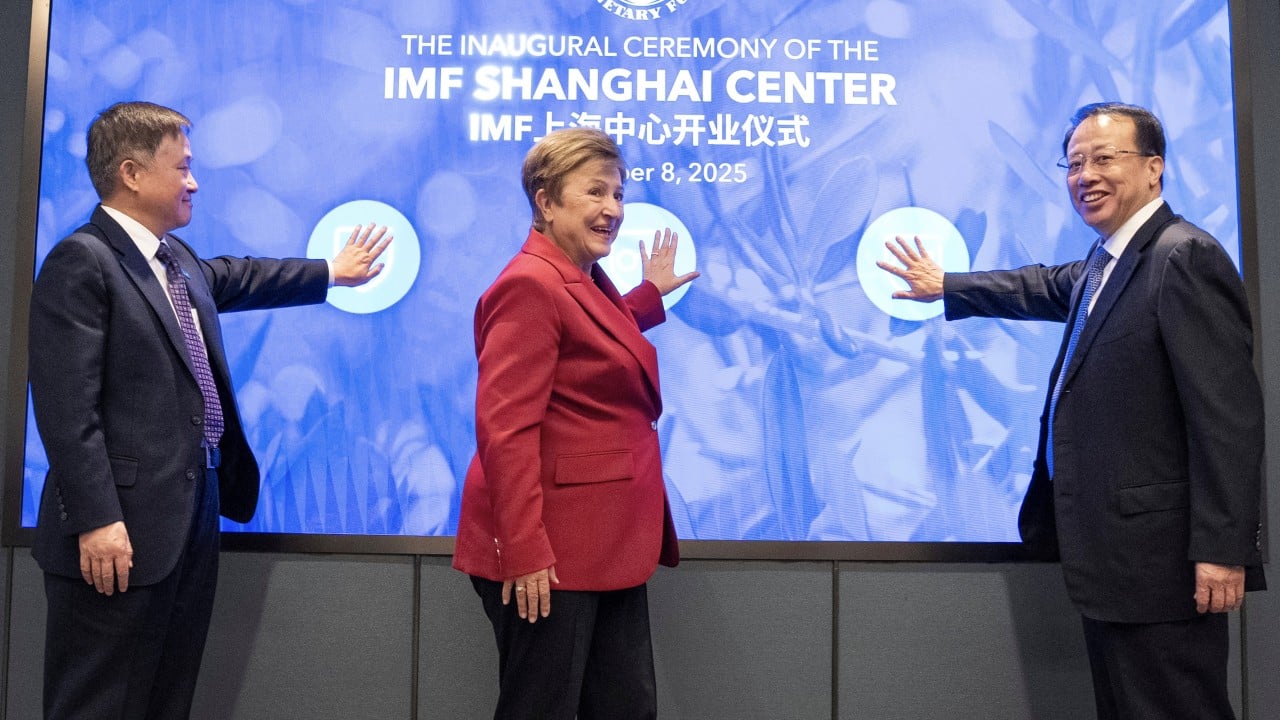
The opening of the International Monetary Fund’s (IMF) Shanghai Centre on December 8 attracted limited attention outside specialist financial circles. The announcement was deliberately understated, framed as a technical step to strengthen policy dialogue and research in the Asia-Pacific.
However, this move represents something more meaningful. It signals a quiet but consequential adjustment in global financial governance that aligns with Asia’s rising economic weight and China’s evolving role in multilateral institutions.
The IMF’s presence in Shanghai does not reset the international financial order, but it does reshape the geography of where macroeconomic coordination, regulatory thinking and crisis prevention are carried out. As the world economy becomes increasingly multipolar, the Shanghai Centre stands as an institutional acknowledgement that Asia, and China in particular, now sits at the heart of global financial stability.
According to the IMF, the Shanghai Centre will strengthen engagement with the Asia-Pacific region through research, policy dialogue and capacity development. The language is neutral, but the choice of Shanghai is strategic. The city has been positioned as one of China’s gateways to global capital, and it remains central to Beijing’s ambitions to modernise its financial system and deepen market reforms.
Establishing a permanent hub in Shanghai provides the IMF with direct access to one of the world’s fastest growing and most structurally diverse regions. Asia accounts for an expanding share of global gross domestic product investment and consumption while also facing heightened exposure to cross-border capital volatility and supply chain disruptions. These dynamics demand faster information flows and more frequent coordination with multilateral institutions, making Shanghai an increasingly strategic location.
The new centre places the IMF closer to the markets it increasingly needs to understand. It allows it to engage more regularly with policymakers facing complex transitions, from China’s rebalancing efforts to Southeast Asia’s digitalisation push and the Pacific’s climate vulnerabilities.
Source link