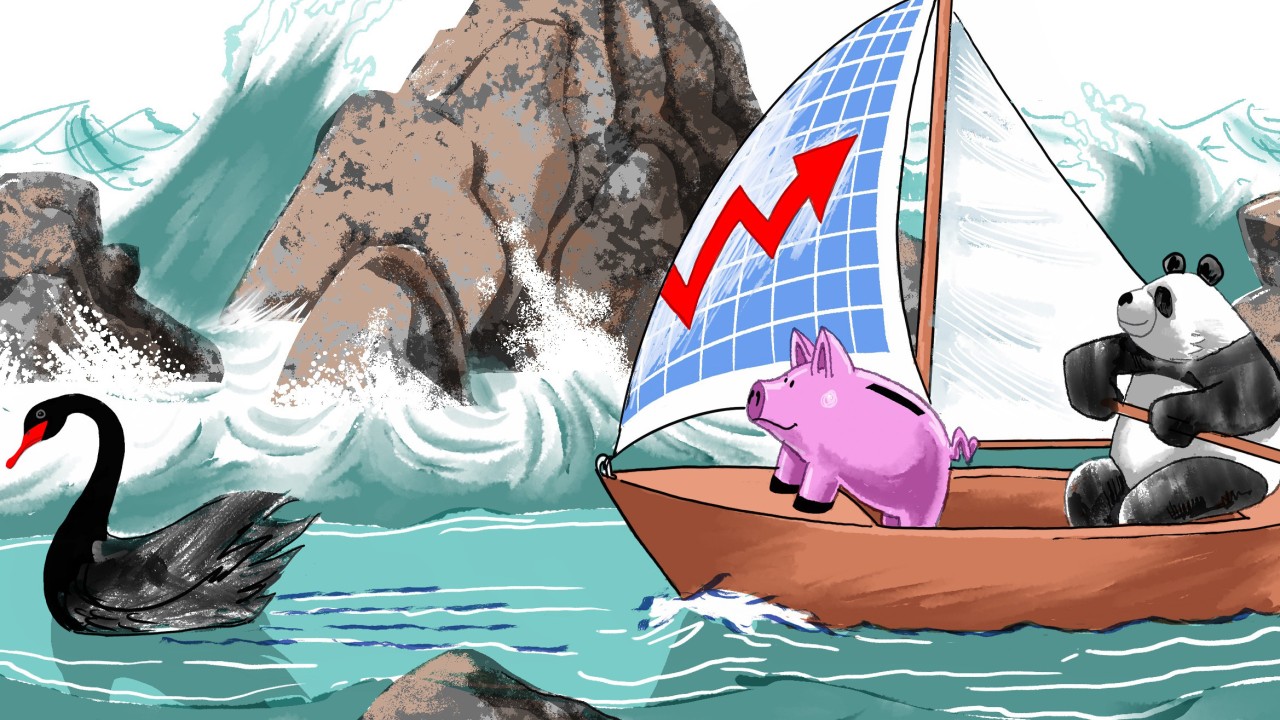
History is often shaped by coincidences. During the past four decades, China has emerged as one of the world’s most successful economies and also one of the luckiest. Just as tensions with the United States and other Western powers escalated, unexpected black swan events repeatedly intervened, helping China navigate diplomatic and economic difficulties.
These pivotal moments of fortune have occurred at least four times in recent history. The first occurred around 1990, when China was confronting severe sanctions from the West. Then, Japan’s real estate bubble burst, plunging its economy into recession and driving it to seek opportunities in China. By attracting Japanese direct investment and importing Japanese technology, China gained crucial knowledge in important sectors, laying the groundwork for its industrial modernisation.
The first Gulf war in 1991 diverted US attention, while the collapse of the Soviet Union and China’s own “reform and opening up” reshaped Western strategic priorities. China not only broke through the Western blockade in the short term, it accelerated its shift towards an export-led economy.
Another stroke of luck came after a series of confrontations that severely strained US-China relations. During the 2000 presidential campaign, George W. Bush labelled China a “strategic competitor”, and the April 2001 spy plane collision further escalated military tensions, bringing the two nations to the brink of military conflict.
However, the September 11 attacks months later refocused US strategy entirely, which also led to cooperation with China in the fight against terrorism. This paved the way for China’s entry into the World Trade Organization.
From 2001 to 2007, China integrated deeply into global supply chains and experienced some of its fastest economic growth since the reform and opening-up era. When the 2008 global financial crisis struck, China responded with a massive 4 trillion yuan (US$561.8 billion) stimulus and a broad industry revitalisation plan, expanding its domestic manufacturing capacity and solidifying its position as the world’s factory.
Source link